
- Email: unityhospital24x7@gmail.com
- Badarpur, New Delhi-110044
- Call: +91-9958749840
- Call: 011-69139900
Mon - Sun (24*7)

Urogynecology
Urogynecology
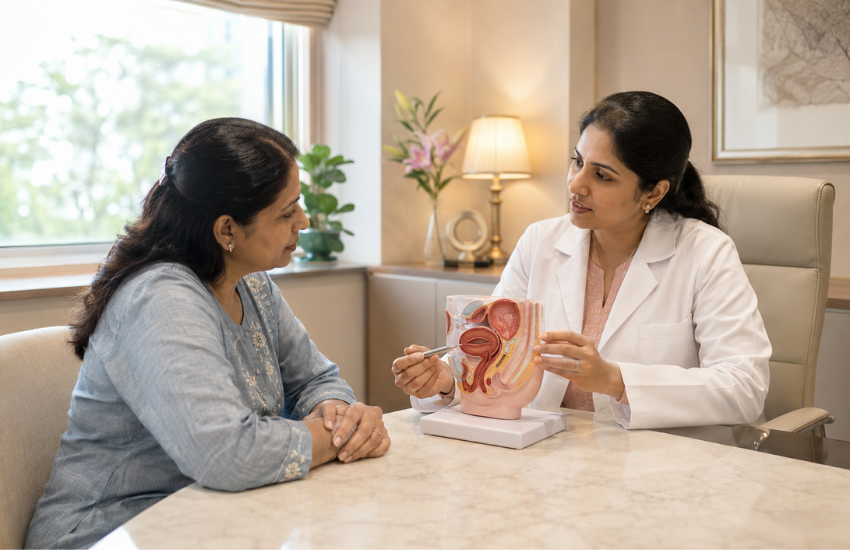
The Urogynecology department at Unity Hospital specialises in diagnosing and treating pelvic floor disorders that affect women's urinary and reproductive health, conditions that are remarkably common yet often go unspoken due to embarrassment or the mistaken belief that they are simply an unavoidable part of ageing or childbirth. Our team of urogynaecologists combines expertise in both gynaecology and urology to provide comprehensive, compassionate care for women experiencing urinary incontinence, pelvic organ prolapse, and related conditions that can significantly affect daily life, confidence, and overall wellbeing.
The Urogynecology department at Unity Hospital specialises in diagnosing and treating pelvic floor disorders that affect women's urinary and reproductive health, conditions that are remarkably common yet often go unspoken due to embarrassment or the mistaken belief that they are simply an unavoidable part of ageing or childbirth. Our team of urogynaecologists combines expertise in both gynaecology and urology to provide comprehensive, compassionate care for women experiencing urinary incontinence, pelvic organ prolapse, and related conditions that can significantly affect daily life, confidence, and overall wellbeing.
Urinary incontinence, the involuntary leakage of urine, is one of the most frequent concerns we address. This condition can take several forms, including stress incontinence, where leakage occurs during coughing, sneezing, laughing, or physical activity due to weakened pelvic floor muscles, and urge incontinence, characterised by a sudden, intense need to urinate that is difficult to control. Many women also experience a combination of both, known as mixed incontinence. Our specialists conduct detailed assessments, including urodynamic studies, to accurately identify the type and severity of incontinence, allowing us to recommend the most effective treatment approach rather than a one-size-fits-all solution.
Treatment for urinary incontinence at Unity Hospital follows a stepwise approach, beginning with the least invasive options wherever appropriate. Pelvic floor physiotherapy, including supervised Kegel exercise programmes and biofeedback training, forms the foundation of conservative management and can produce significant improvement for many patients. Lifestyle modifications, bladder training techniques, and dietary adjustments are also incorporated into personalised treatment plans. For patients who do not respond adequately to conservative measures, we offer medical therapy and minimally invasive surgical options, including sling procedures for stress incontinence, which are performed using advanced techniques that offer high success rates with minimal recovery time.
Pelvic organ prolapse, another core focus of our department, occurs when the pelvic organs, including the bladder, uterus, or rectum, descend from their normal position due to weakening of the supporting muscles and ligaments, often as a result of childbirth, ageing, or chronic straining. Symptoms can range from a sensation of pelvic pressure or a visible bulge to difficulty with bladder or bowel emptying, and can significantly affect a woman's comfort and quality of life. Our urogynaecologists provide thorough evaluation to determine the type and severity of prolapse and discuss the full range of treatment options, from pessary devices that provide non-surgical support to advanced reconstructive surgical procedures designed to restore normal anatomy and function.
Surgical management of pelvic organ prolapse at Unity Hospital is performed using both traditional and minimally invasive techniques, tailored to each patient's specific anatomy, symptoms, and goals, including whether future fertility preservation is a consideration. Our surgeons are trained in native tissue repair techniques as well as procedures involving surgical mesh where clinically appropriate, always prioritising long-term safety and functional outcomes. We take great care to discuss the risks and benefits of each surgical option thoroughly with patients, ensuring they are fully informed before making a decision about their care.
Beyond incontinence and prolapse, our urogynecology team also manages recurrent urinary tract infections, painful bladder syndrome, and voiding dysfunction, conditions that can be complex to diagnose and often require a combination of medical management, physiotherapy, and, in some cases, minimally invasive procedures. We also provide specialised care for pelvic floor dysfunction that develops after childbirth, working closely with our obstetric team to identify women at higher risk and offer early intervention, including postpartum pelvic floor rehabilitation programmes designed to prevent long-term complications.
Diagnostic capabilities within our department include comprehensive urodynamic testing, pelvic floor ultrasound, and cystoscopy, allowing our specialists to visualise and assess bladder function and pelvic floor anatomy with precision. This diagnostic accuracy is essential for developing effective, individualised treatment plans and avoiding unnecessary interventions. Our close collaboration with the Obstetrics & Gynaecology and General Surgery departments also ensures that patients with complex or overlapping conditions receive coordinated, comprehensive care under one roof.
We understand that symptoms related to pelvic floor disorders can be a source of significant embarrassment, and many women delay seeking treatment for years, silently adjusting their lives around symptoms that could be effectively managed or resolved. At Unity Hospital, we are committed to creating an environment where patients feel comfortable discussing these concerns openly, without judgement, and where they receive clear, honest information about their condition and the treatment options available to them.
Our urogynecology team also places strong emphasis on patient education and long-term management, recognising that pelvic floor health often requires ongoing attention rather than a single treatment. We provide patients with practical guidance on maintaining pelvic floor strength, preventing recurrence of symptoms, and recognising early warning signs that warrant follow-up care. For women who have undergone surgical treatment, structured follow-up protocols ensure that recovery is monitored closely and any concerns are addressed promptly.
Our approach to urogynaecological care also extends to older women, who make up a significant proportion of patients dealing with pelvic floor concerns. As women age, hormonal changes associated with menopause can further weaken pelvic tissues, compounding the effects of earlier childbirth-related trauma and making symptoms more pronounced. Our specialists take a holistic view of these patients, considering hormonal status, bone health, mobility, and overall medical history when designing treatment plans, and coordinate closely with our gynaecology and general medicine teams to ensure comprehensive, age-appropriate care.
For women planning future pregnancies, our urogynaecologists work alongside the obstetric team to determine the safest mode of delivery and any precautions needed to protect pelvic floor health, particularly for women who have previously undergone pelvic floor surgery or who have risk factors for prolapse or incontinence. This proactive, preventive approach reflects our broader philosophy that pelvic floor health should be actively protected and monitored throughout a woman's life, not only addressed once significant symptoms have developed.
Our hospital's dedicated urogynaecology consultation rooms and diagnostic facilities are designed to protect patient privacy and comfort throughout the evaluation process, and our female-led nursing staff are trained to conduct examinations with sensitivity and professionalism. We know that many women feel apprehensive about discussing these symptoms even with their doctor, and our entire team, from the front desk to the operating theatre, is committed to making every step of this journey as comfortable and reassuring as possible.
If you are experiencing urinary leakage, a sensation of pelvic pressure or bulging, recurrent urinary infections, or any other symptoms affecting your pelvic health, the Urogynecology team at Unity Hospital encourages you to seek an evaluation. These conditions are common, treatable, and nothing to be embarrassed about, and our specialists are here to help you regain comfort, confidence, and control over your daily life through expert, personalised, and compassionate care.