- Email: unityhospital24x7@gmail.com
- Badarpur, New Delhi-110044
- Call: +91-9958749840
- Call: 011-69139900
Mon - Sun (24*7)

Appendicitis Surgery

Appendicitis Surgery
- Unity Hospital
Appendicitis is a common condition that can require urgent surgical treatment. It occurs when the appendix, a small pouch attached to the large intestine, becomes inflamed. Without timely treatment, inflammation can progress and the appendix may perforate
Appendicitis is a common condition that can require urgent surgical treatment. It occurs when the appendix, a small pouch attached to the large intestine, becomes inflamed. Without timely treatment, inflammation can progress and the appendix may perforate or rupture, potentially causing infection within the abdomen and other serious complications.
Because appendicitis can progress rapidly, early medical assessment is important. Our surgical team is experienced in evaluating patients with suspected appendicitis and providing timely treatment when the diagnosis is confirmed. We focus on rapid assessment, accurate diagnosis, appropriate surgical planning, and close monitoring throughout the treatment and recovery process.
Recognising the Symptoms of Appendicitis
Appendicitis can present differently from one patient to another, particularly in children, older adults, and individuals with certain medical conditions. A common symptom is abdominal pain that may initially be felt around the centre of the abdomen and later become more prominent in the lower right side. The pain may gradually become stronger and more persistent.
Other symptoms can include nausea, vomiting, loss of appetite, fever, abdominal tenderness, bloating, and changes in bowel habits. Some patients may experience pain that becomes worse with movement, coughing, or physical activity.
Because these symptoms can resemble other abdominal conditions, a thorough medical assessment is essential. Patients with severe, persistent, or worsening abdominal pain, particularly when accompanied by fever or vomiting, should seek prompt medical attention.
Rapid Diagnosis and Assessment
When appendicitis is suspected, our team performs a focused clinical evaluation without unnecessary delay. This includes reviewing the patient's symptoms and medical history, carrying out a physical examination, and assessing the abdomen for tenderness and other signs of inflammation.
Depending on the patient's age, symptoms, examination findings, and clinical circumstances, blood tests and imaging investigations may be recommended. Ultrasound or CT imaging may be used when appropriate to help confirm appendicitis or identify complications such as perforation, an abscess, or widespread abdominal infection.
The purpose of this evaluation is not only to confirm the diagnosis but also to determine the severity of the condition and plan the safest and most effective treatment.
Appendectomy
When surgery is required, the standard surgical treatment is an appendectomy, which involves removing the inflamed appendix. Our surgeons perform appendectomy using laparoscopic techniques where appropriate.
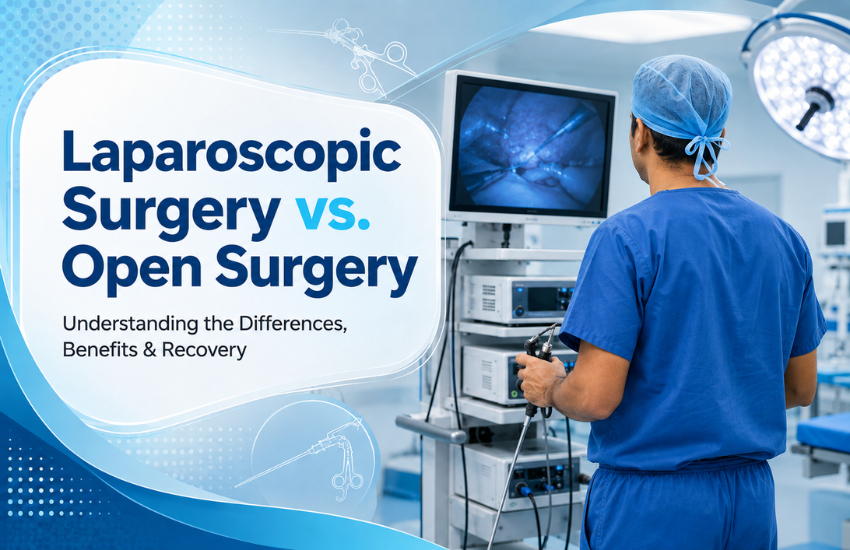
During laparoscopic appendectomy, several small incisions are made in the abdomen. A specialised camera provides a magnified view of the surgical area, while precision instruments are used to identify, separate, and remove the appendix. The small-incision approach may offer benefits such as reduced post-operative discomfort, smaller scars, and a quicker return to normal activities compared with conventional open surgery for appropriately selected patients.
However, laparoscopic surgery is not suitable for every patient or every clinical situation. The extent of inflammation, perforation, abscess formation, previous abdominal surgery, the patient's overall health, and other factors may influence the surgical approach. In some circumstances, open surgery may be considered the safer or more appropriate option.
Why Timely Treatment Matters
Appendicitis is a condition in which delaying treatment can increase the risk of complications. If the inflamed appendix ruptures, infection can spread within the abdominal cavity and may result in peritonitis, an abscess, or other serious complications. These situations can require more complex treatment and may lead to a longer recovery.
For this reason, our department is organised to facilitate prompt evaluation and treatment when appendicitis is suspected. Once the diagnosis and need for surgery have been established, our surgical, anaesthesia, nursing, and support teams work together to minimise avoidable delays.
Treatment of Complicated Appendicitis
Not all cases of appendicitis are straightforward. If the appendix has perforated or an abscess has developed, treatment may require additional measures alongside or instead of immediate surgery, depending on the individual circumstances.
Our surgical team evaluates the extent of infection and determines the most appropriate management strategy. This may involve antibiotics, drainage of an abscess, surgery, or a combination of treatments. The approach is tailored to the patient's clinical condition and the nature of the complication.
Recovery After Appendectomy
Recovery following appendectomy varies depending on the severity of appendicitis, the surgical approach used, the presence or absence of complications, and the patient's overall health. Patients who undergo uncomplicated laparoscopic appendectomy may often return to normal activities relatively quickly, although individual recovery times differ.
After surgery, patients receive appropriate monitoring, pain management, wound-care instructions, and guidance regarding diet and physical activity. Patients are generally encouraged to gradually increase their activity as they recover while avoiding strenuous exercise or heavy lifting until advised that it is safe to do so.
Patients who have experienced complicated appendicitis or required open surgery may need a longer recovery period and additional follow-up.
Post-Operative Monitoring and Follow-Up
Our team continues to monitor patients after surgery to ensure that recovery is progressing appropriately. Patients and their families receive clear information about wound care, medications, activity restrictions, dietary requirements, and symptoms that should prompt medical attention.
Patients are advised to contact their healthcare team if they experience increasing abdominal pain, persistent fever, repeated vomiting, worsening redness or discharge from the surgical wound, difficulty eating or drinking, or other concerning symptoms.
Comprehensive Emergency Surgical Care
From the initial presentation and diagnostic assessment through surgery, recovery, and follow-up, our team provides coordinated care for patients with suspected and confirmed appendicitis. Our experienced surgeons, anaesthesia professionals, nursing staff, and supporting teams work together to facilitate timely treatment while maintaining appropriate standards of safety and clinical care.
With rapid assessment, modern surgical techniques, and structured post-operative support, our aim is to manage appendicitis effectively, minimise the risk of complications, and help patients return to their normal routines as safely and comfortably as possible.