- Email: unityhospital24x7@gmail.com
- Badarpur, New Delhi-110044
- Call: +91-9958749840
- Call: 011-69139900
Mon - Sun (24*7)

Treatment for Uterine Fibroids
Treatment for Uterine Fibroids
- Unity Hospital
Uterine fibroids are non-cancerous growths that develop in or around the uterus. They are common among women of reproductive age and can vary considerably in size, number, and location. Some women may have a single small fibroid with no noticeable symptom
Uterine fibroids are non-cancerous growths that develop in or around the uterus. They are common among women of reproductive age and can vary considerably in size, number, and location. Some women may have a single small fibroid with no noticeable symptoms, while others may experience heavy menstrual bleeding, pelvic discomfort, pressure, or other problems that affect everyday life.
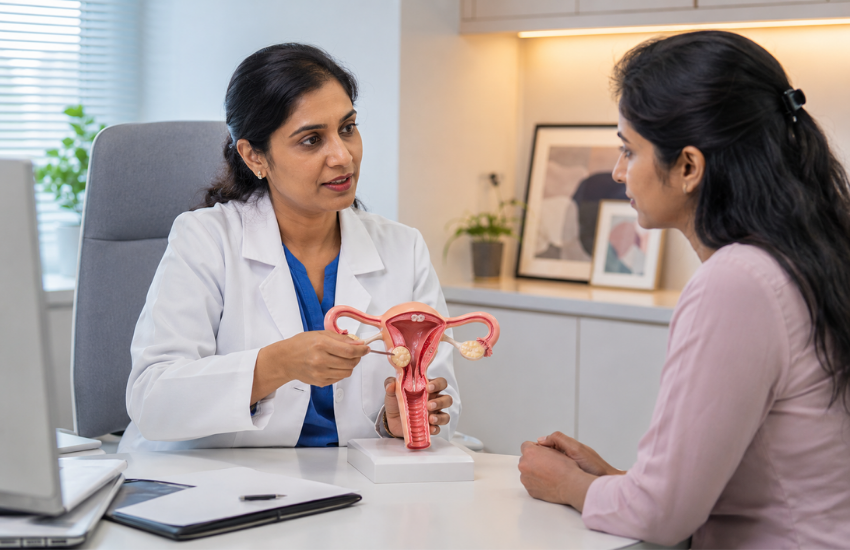
At Unity Hospital, our gynaecologists evaluate fibroids carefully to understand how they are affecting the patient and whether treatment is actually required. Since fibroids can behave differently from one woman to another, our approach is individualized rather than based on a fixed treatment plan.
Understanding Uterine Fibroids
Fibroids develop from the muscular tissue of the uterus and can occur in different locations. Depending on where they develop, they may be described as fibroids within the muscular wall of the uterus, those projecting toward the outer surface, or those growing toward the inner uterine cavity.
The size and location of a fibroid can influence the symptoms it causes. Some fibroids remain small and cause no problems, while larger or strategically located fibroids may contribute to heavy periods, pelvic pressure, pain, frequent urination, or changes in reproductive health.
Common Symptoms
Not every woman with fibroids experiences symptoms. When symptoms do occur, they can vary depending on the size, number, and location of the growths. Common concerns may include:
- Heavy or prolonged menstrual bleeding
- Painful periods or pelvic discomfort
- A feeling of pressure or fullness in the lower abdomen
- Abdominal or lower-back discomfort
- Frequent urination when a fibroid presses on the bladder
- Constipation or bowel pressure in some cases
- Changes in menstrual patterns
- Difficulties related to fertility or pregnancy in selected cases
Persistent or troublesome symptoms should be evaluated rather than assumed to be a normal part of menstruation.
Diagnosis of Fibroids
A detailed medical history and gynaecological assessment are important first steps in evaluating possible fibroids. Our doctors ask about menstrual patterns, bleeding, pelvic pain, pressure symptoms, reproductive history, and other relevant concerns.
Ultrasound examination is commonly used to identify fibroids and assess their size, number, and location. In certain situations, additional imaging or investigations may be recommended to obtain a more detailed understanding of the uterus and surrounding structures.
The findings are reviewed together with the patient’s symptoms and overall health before treatment recommendations are made.
When Treatment May Not Be Necessary
Not every fibroid requires immediate treatment. If a fibroid is small, causes no significant symptoms, and does not appear to be creating a medical concern, the doctor may recommend regular monitoring rather than intervention.
Follow-up examinations can help determine whether the fibroid is changing in size or whether new symptoms are developing. This approach avoids unnecessary treatment while ensuring that the condition continues to be appropriately observed.
Medication for Symptom Management
When treatment is required, medication may sometimes be used to control symptoms. Depending on the individual situation, medicines may help reduce heavy menstrual bleeding, pelvic pain, or other symptoms associated with fibroids.
Medication may be used as a temporary approach, as part of longer-term symptom management, or while preparing for another treatment when necessary. The choice depends on the patient’s symptoms, medical history, reproductive plans, and response to treatment.
Surgical Treatment
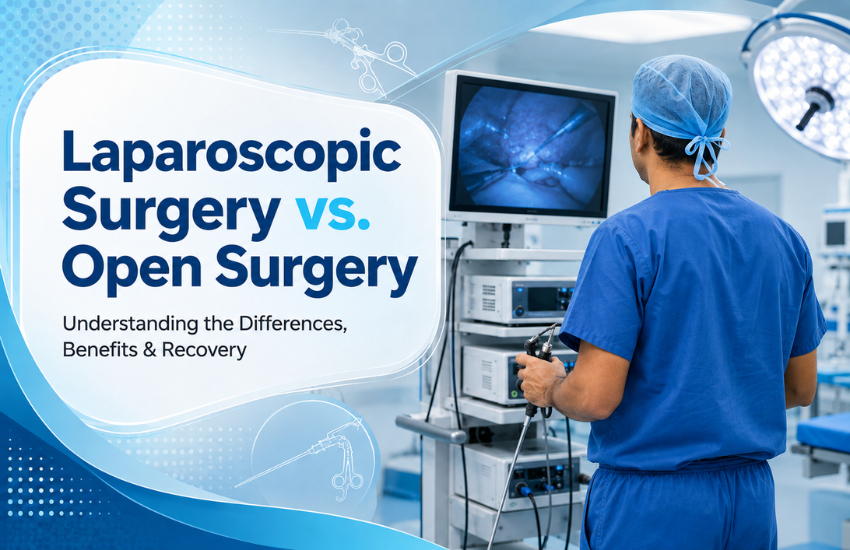
When fibroids are large, cause significant symptoms, affect quality of life, or create other clinical concerns, a surgical approach may be considered. The appropriate procedure depends largely on the number, size, and location of the fibroids, as well as the woman’s overall health and future fertility plans.
Where appropriate, surgery may focus on removing the fibroids while preserving the uterus. In other circumstances, different surgical options may be discussed based on the patient’s age, symptoms, reproductive goals, and medical requirements.
Our doctors explain the purpose of any recommended procedure, expected benefits, recovery considerations, and relevant alternatives before treatment is undertaken.
Fibroids and Fertility
For women who are planning to have children, fertility considerations are an important part of treatment planning. Some fibroids may have little or no effect on fertility, while certain fibroids—particularly those affecting the inner cavity of the uterus—may be associated with reproductive difficulties in some women.
At Unity Hospital, our gynaecologists consider future pregnancy plans before recommending treatment. When intervention is required, the treatment approach is selected with the goal of addressing the fibroid while taking reproductive priorities into account whenever medically appropriate.
Fibroids During Pregnancy
Women with fibroids who become pregnant may require appropriate monitoring depending on the size and location of the fibroids and their individual pregnancy circumstances. Many women with fibroids have healthy pregnancies, but certain cases may benefit from additional observation.
If a woman knows she has fibroids before pregnancy, discussing the condition with a gynaecologist can help establish whether any assessment or treatment is appropriate before conception.
A Patient-Centred Treatment Approach
Fibroid treatment is not simply about removing a growth. The decision must take into account the woman as a whole. Our doctors consider factors such as age, symptoms, fibroid characteristics, overall health, previous treatments, reproductive plans, and personal preferences.
For one patient, observation may be the most appropriate option. Another may benefit from medication to manage symptoms, while someone with larger or symptomatic fibroids may require surgical treatment. By assessing these factors individually, we aim to avoid unnecessary intervention while ensuring that significant symptoms receive appropriate attention.
Ongoing Follow-Up
Fibroid management may require continued follow-up, particularly when the initial approach is observation or medication. Our team monitors symptoms and, when appropriate, performs repeat imaging to assess changes over time.
Patients are encouraged to report changes such as increasing menstrual bleeding, worsening pelvic pain, increasing abdominal pressure, or new urinary or bowel symptoms. Timely reassessment can help determine whether the existing treatment plan remains suitable.
At Unity Hospital, our goal is to provide clear diagnosis, personalized treatment, and ongoing support for women with uterine fibroids. Whether monitoring is appropriate or active treatment is required, we take the time to explain the condition and available options so that each woman can make an informed decision based on her health, symptoms, and future plans.