- Email: unityhospital24x7@gmail.com
- Badarpur, New Delhi-110044
- Call: +91-9958749840
- Call: 011-69139900
Mon - Sun (24*7)

Tube Blockage Treatment
Tube Blockage Treatment
- Unity Hospital
Blocked or damaged fallopian tubes are an important cause of female infertility because they can interfere with the normal meeting of the egg and sperm. Normally, after ovulation, the egg travels into the fallopian tube, where fertilization may take place
Blocked or damaged fallopian tubes are an important cause of female infertility because they can interfere with the normal meeting of the egg and sperm. Normally, after ovulation, the egg travels into the fallopian tube, where fertilization may take place before the resulting embryo moves toward the uterus. When one or both tubes are blocked, narrowed, scarred, or damaged, this natural process can be disrupted, making it more difficult to conceive. Tubal problems may affect one tube or both tubes, and the impact on fertility depends on the location, severity, and underlying cause of the blockage.
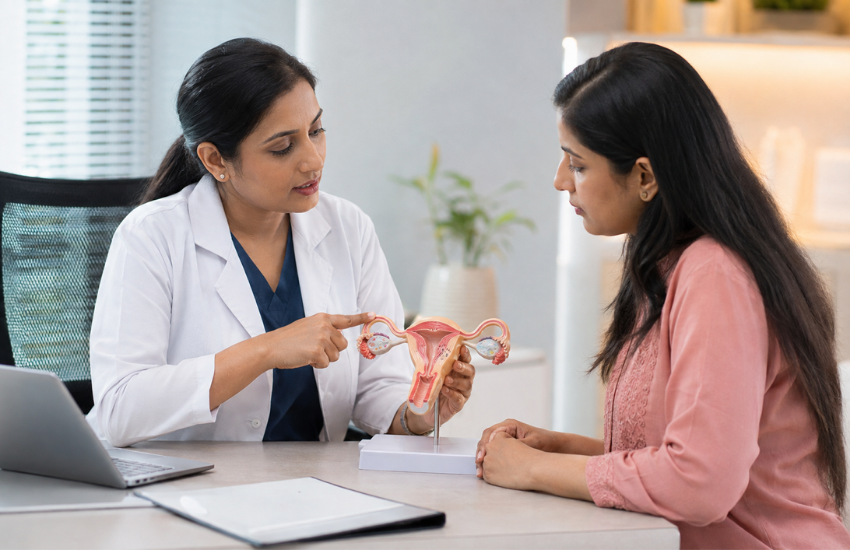
Our fertility team begins with a careful evaluation to determine whether the fallopian tubes are open and functioning adequately. The assessment is selected according to the woman’s medical history, previous pregnancies or treatments, symptoms, and other fertility factors. Diagnostic investigations may include ultrasound-based assessment, specialized tests to evaluate tubal patency, or other imaging or diagnostic procedures when clinically appropriate. The aim is to understand not only whether a tube is blocked, but also where the blockage is located and whether there is associated damage, scarring, fluid accumulation, or other pelvic abnormalities.
Understanding the Cause of Tube Blockage
Fallopian tube blockage can occur for a number of reasons. Previous pelvic infections, pelvic inflammatory disease, endometriosis, abdominal or pelvic surgery, previous ectopic pregnancy, and scar tissue can all affect the tubes. In some women, tubal abnormalities may be present without causing noticeable symptoms and may only become apparent during an infertility evaluation.
The location of the blockage is particularly important when considering treatment. A blockage close to the uterus may be managed differently from a blockage affecting the outer portion of the tube. Similarly, a mildly damaged tube may have different treatment possibilities compared with a severely scarred or structurally damaged tube.
For this reason, our specialists do not recommend the same treatment for every woman with a blocked fallopian tube. The diagnosis is considered alongside age, ovarian reserve, sperm quality, duration of infertility, previous pregnancies, previous surgeries, and the condition of the uterus and other reproductive organs before deciding on the most appropriate approach.
Surgical Treatment for Tubal Blockage
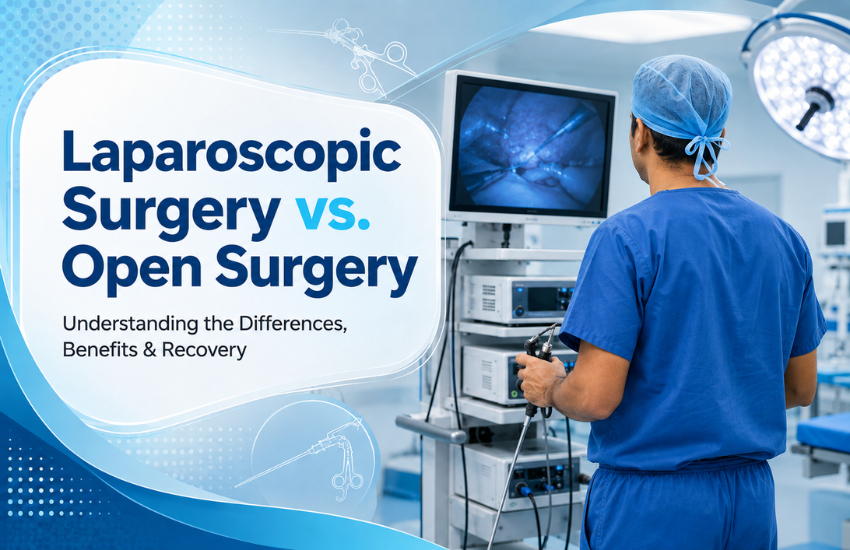
In selected cases, surgery may be considered to correct or improve a blocked fallopian tube. The suitability of surgery depends largely on the location and severity of the blockage and the overall condition of the tube. Where the tube is relatively healthy and the obstruction is potentially correctable, surgical treatment may offer an opportunity to restore the possibility of natural conception.
Tubal surgery may involve removing scar tissue, opening a suitable obstruction, or repairing damaged portions of the fallopian tube. Minimally invasive surgical techniques may be considered when appropriate. However, surgery is not suitable for every type of tubal disease, and the potential benefits must be weighed against the possibility of recurrence of blockage, further scarring, or other complications.
The fertility specialist will discuss the expected benefits and limitations of surgical treatment before proceeding. Importantly, restoring an opening in the tube does not always guarantee that the tube will function normally. The ability of the tube to capture the egg and transport the embryo can also be affected by previous inflammation or scarring.
IVF for Blocked Fallopian Tubes
When the tubes are severely damaged, completely blocked, or unlikely to function adequately after surgery, in-vitro fertilization (IVF) may be recommended. IVF can provide a direct route to pregnancy by bypassing the fallopian tubes.
During IVF, eggs are collected from the ovaries and fertilized with sperm in a laboratory. After fertilization and embryo development, an appropriate embryo can be transferred into the uterus. Because fertilization takes place outside the fallopian tubes, IVF can overcome the problem caused by tubal blockage.
IVF may therefore be particularly useful when both tubes are significantly affected or when other fertility factors are present in addition to tubal disease. In some situations, IVF may provide a more appropriate and predictable treatment pathway than attempting complex tubal surgery.
Choosing Between Surgery and IVF
The decision between surgical treatment and IVF is individualized. Factors such as the woman’s age, ovarian reserve, extent and location of tubal damage, condition of the uterus, sperm quality, duration of infertility, previous fertility treatment, and the couple’s reproductive goals are considered.
For example, a woman with a limited tubal obstruction and otherwise favorable fertility factors may be a potential candidate for corrective treatment. Conversely, when there is extensive tubal damage, significant scarring, or additional fertility concerns, IVF may be recommended because it bypasses the fallopian tubes and may avoid unnecessary delays.
Our specialists explain the reasoning behind the recommended treatment rather than simply presenting a procedure as the only option. Couples are guided through the potential benefits, limitations, risks, expected success rates, treatment timelines, and costs of the available approaches so that they can make an informed decision.
Comprehensive Fertility Assessment
Tubal blockage should also be considered as part of the couple’s overall fertility picture. Finding a blocked tube does not necessarily mean that it is the only factor affecting conception. The male partner’s sperm quality, the woman’s ovulation and ovarian reserve, and the condition of the uterus may also influence the likelihood of pregnancy.
For this reason, we recommend a comprehensive fertility assessment rather than treating the tube in isolation. Understanding all relevant factors helps determine whether restoring tubal function, proceeding directly to IVF, or addressing another fertility issue first is the most appropriate course of action.
Our goal is to provide individualized, evidence-based treatment for tubal infertility, while avoiding unnecessary procedures and delays. Whether surgical correction may help restore the possibility of natural conception or IVF offers a more suitable route by bypassing the blocked tubes, our fertility specialists work closely with couples to identify the treatment approach that best fits their medical circumstances and family-building goals.