- Email: unityhospital24x7@gmail.com
- Badarpur, New Delhi-110044
- Call: +91-9958749840
- Call: 011-69139900
Mon - Sun (24*7)

Treatment for Irregular Menstrual Periods
Treatment for Irregular Menstrual Periods
- Unity Hospital
Irregular menstrual periods can be an important factor affecting fertility because they may indicate that ovulation is not occurring regularly or predictably. When ovulation is irregular, it can become difficult to identify the fertile window and determin
Irregular menstrual periods can be an important factor affecting fertility because they may indicate that ovulation is not occurring regularly or predictably. When ovulation is irregular, it can become difficult to identify the fertile window and determine the best time for natural conception. In some women, irregular cycles may also be associated with an underlying hormonal or reproductive condition that requires appropriate diagnosis and treatment.
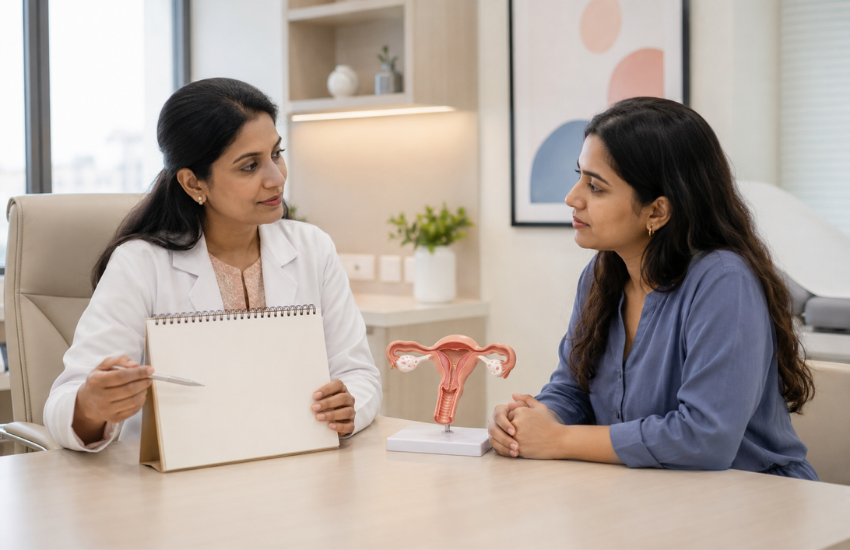
Our fertility specialists begin by carefully evaluating the pattern of menstrual cycles and identifying possible reasons for the irregularity. Rather than treating the menstrual cycle alone, the focus is on understanding the underlying cause and addressing any factors that may be interfering with normal ovulation and reproductive health.
Understanding Irregular Menstrual Cycles
A menstrual cycle can vary naturally from woman to woman, but significant variations in cycle length, prolonged gaps between periods, very frequent periods, or consistently unpredictable bleeding may require medical assessment, particularly when a woman is trying to conceive.
Irregular periods can occur for a number of reasons. These may include hormonal imbalances, polycystic ovary syndrome (PCOS), thyroid disorders, significant changes in body weight, excessive exercise, nutritional factors, stress, and other medical or reproductive conditions. In some cases, irregular cycles may occur because ovulation is infrequent or absent.
Understanding whether ovulation is occurring is an important part of fertility assessment. Simply having a menstrual bleed does not always confirm that regular ovulation has taken place. Our specialists therefore consider the overall menstrual pattern together with other clinical findings and appropriate investigations.
Comprehensive Evaluation
The first step in treatment is a detailed assessment of the woman's menstrual and reproductive history. The specialist may ask about cycle length, frequency and duration of bleeding, changes in menstrual patterns, symptoms associated with periods, previous pregnancies, attempts to conceive, weight changes, medications, lifestyle factors, and other relevant medical conditions.
Depending on the individual situation, investigations may include hormonal blood tests, thyroid assessment, ultrasound examination, evaluation of ovarian function, and other fertility investigations where appropriate. These tests help determine whether irregular periods are related to an ovulation problem, hormonal condition, ovarian disorder, or another underlying issue.
Where symptoms suggest conditions such as PCOS or thyroid dysfunction, further evaluation may be recommended. Identifying the underlying cause is important because treatment should be directed toward the specific problem rather than simply attempting to make periods appear regular.
Managing Hormonal and Medical Causes
When irregular menstrual cycles are caused by an underlying hormonal or medical condition, appropriate management can often improve cycle regularity and reproductive function.
For example, women with thyroid abnormalities may require appropriate management of thyroid function, while women with PCOS may benefit from individualized lifestyle and medical management depending on their symptoms and fertility goals. If significant changes in body weight are contributing to irregular ovulation, nutritional and lifestyle guidance may also form part of the treatment plan.
The objective is to restore or improve normal reproductive function wherever possible. Treatment is tailored to the woman's age, medical history, fertility goals, ovarian function, and the specific cause of menstrual irregularity.
Lifestyle and Weight Management
Lifestyle factors can influence menstrual regularity and ovulation in some women. Significant weight gain or weight loss, nutritional deficiencies, excessive physical activity, inadequate sleep, and prolonged stress may affect reproductive hormone balance.
Where appropriate, our specialists may recommend sustainable lifestyle changes alongside medical treatment. This may include maintaining a healthy and appropriate body weight, following a balanced diet, engaging in suitable physical activity, improving sleep patterns, and addressing factors that may contribute to ongoing stress.
Lifestyle management is individualized and should be viewed as part of overall fertility care rather than as a substitute for medical treatment when an underlying condition requires specific management.
Ovulation Management and Fertility Treatment
For women whose irregular periods are associated with irregular or absent ovulation, treatment may focus on helping the ovaries ovulate more predictably. Depending on the underlying cause, medication may be recommended to stimulate ovulation. The response may be monitored using ultrasound and other appropriate assessments to help determine whether ovulation is occurring and to identify the optimal timing for conception.
When ovulation is restored or improved, couples may be advised regarding the most appropriate timing for intercourse. In selected cases, ovulation treatment may be combined with intrauterine insemination (IUI) if additional fertility factors make this approach appropriate.
If irregular ovulation is accompanied by other fertility challenges, or if simpler treatments have not resulted in pregnancy, more advanced assisted reproductive treatments such as in-vitro fertilization (IVF) may be considered.
Improving the Chances of Natural Conception
For couples trying to conceive naturally, establishing more predictable ovulation can make it easier to identify the fertile period. Treating the underlying cause of irregular cycles may therefore improve the opportunity for natural conception.
However, regularizing the menstrual cycle does not guarantee pregnancy. Fertility depends on several factors, including ovarian reserve, age, fallopian tube function, sperm quality, the condition of the uterus, and the duration of infertility. For this reason, a comprehensive fertility assessment may be recommended when pregnancy does not occur despite treatment of menstrual irregularity.
Personalized Fertility Care
Our approach to irregular menstrual periods is focused on identifying and treating the underlying cause rather than simply attempting to regulate bleeding. Each woman's treatment plan is developed according to her symptoms, medical history, fertility goals, age, ovarian function, and test results.
For some women, appropriate management of an underlying condition may be enough to restore regular ovulation and improve the chances of natural conception. Others may require ovulation induction, IUI, IVF, or another fertility treatment after the initial problem has been addressed.
Throughout the process, our specialists explain the diagnosis, treatment options, expected timeline, potential benefits and risks, and realistic expectations clearly. By addressing irregular menstrual cycles at their underlying cause and integrating this care with the couple's overall fertility assessment, we aim to create a strong foundation for conception and support each woman on her individual journey toward a healthy pregnancy.