- Email: unityhospital24x7@gmail.com
- Badarpur, New Delhi-110044
- Call: +91-9958749840
- Call: 011-69139900

Infertility / IVF Department
Infertility / IVF Department

A Supportive Partner Through Every Step
Fertility treatment is rarely a single appointment or a quick solution. For many couples, it is a journey that unfolds over weeks or months and may involve consultations, investigations, medications, monitoring, procedures, treatment cycles, and important

Treatment for Difficulty Conceiving a Second Child
Difficulty conceiving after a previous successful pregnancy is known as secondary infertility. It can be an unexpected and emotionally challenging experience, particularly for couples who conceived easily in the past and assumed that having another child

Treatment for Low or Absent Sperm Count
Male factor infertility is an important and relatively common contributor to difficulty conceiving, and it may occur independently or alongside female fertility factors. A low sperm count, reduced sperm movement, abnormal sperm characteristics, or complet

Treatment for Failure to Produce Eggs
Failure to release an egg regularly, known medically as ovulatory dysfunction or anovulation, is a common cause of female infertility. For pregnancy to occur naturally, an egg generally needs to mature and be released from the ovary so that it can potenti
Treatment for Irregular Menstrual Periods
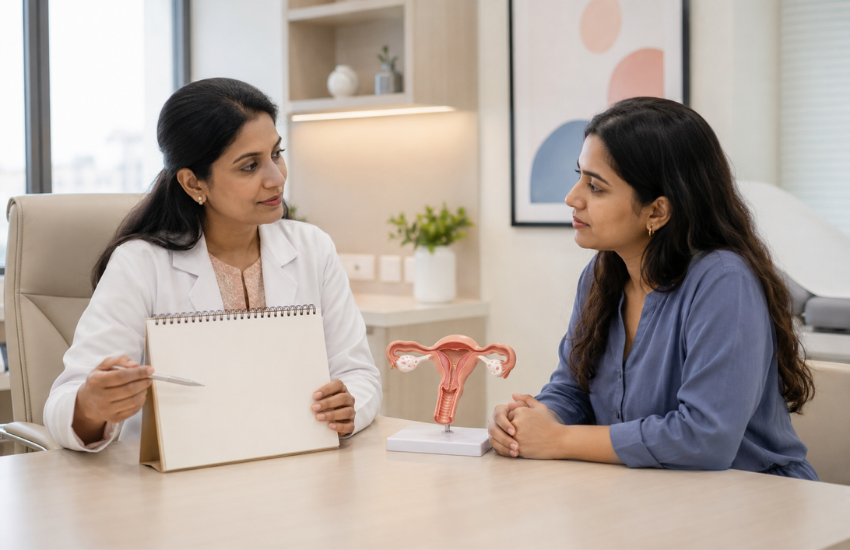
Irregular menstrual periods can be an important factor affecting fertility because they may indicate that ovulation is not occurring regularly or predictably. When ovulation is irregular, it can become difficult to identify the fertile window and determin

Treatment for Recurrent Pregnancy Loss
Experiencing repeated pregnancy loss can be deeply distressing for both partners. Alongside the physical impact of miscarriage, couples may experience grief, anxiety, uncertainty, and fear about attempting another pregnancy. Recurrent pregnancy loss shoul

IVF and IUI Treatment
In-vitro fertilisation (IVF) and intrauterine insemination (IUI) are two widely used assisted reproductive treatments that can help couples overcome different causes of infertility. Although both treatments are designed to increase the likelihood of pregn
Tube Blockage Treatment
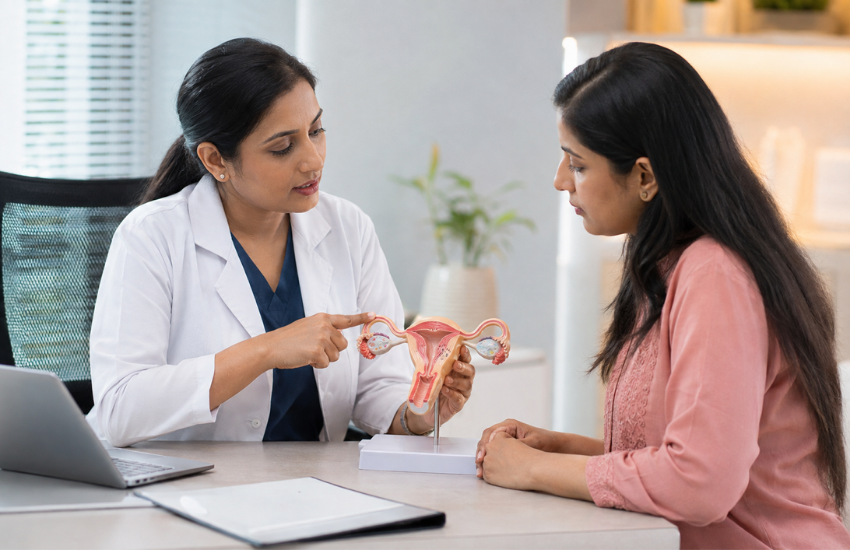
Blocked or damaged fallopian tubes are an important cause of female infertility because they can interfere with the normal meeting of the egg and sperm. Normally, after ovulation, the egg travels into the fallopian tube, where fertilization may take place

Treatment for Infertile Couples
Infertility can result from factors affecting either partner, from conditions involving both partners, or sometimes from factors that cannot be identified despite thorough investigation. For this reason, effective fertility care begins with a comprehensiv