- Email: unityhospital24x7@gmail.com
- Badarpur, New Delhi-110044
- Call: +91-9958749840
- Call: 011-69139900
Mon - Sun (24*7)

General Surgeries

General Surgeries
The Department of General Surgery at Unity Hospital forms the backbone of our surgical services, providing expert diagnosis and treatment for a wide range of conditions affecting the abdomen, digestive system, skin, soft tissue, and other areas requiring surgical intervention. Our team of experienced general surgeons combines broad surgical expertise with a thoughtful, individualised approach to patient care, ensuring that every patient, whether facing an elective procedure or an emergency surgical condition, receives safe, effective, and compassionate treatment.
The Department of General Surgery at Unity Hospital forms the backbone of our surgical services, providing expert diagnosis and treatment for a wide range of conditions affecting the abdomen, digestive system, skin, soft tissue, and other areas requiring surgical intervention. Our team of experienced general surgeons combines broad surgical expertise with a thoughtful, individualised approach to patient care, ensuring that every patient, whether facing an elective procedure or an emergency surgical condition, receives safe, effective, and compassionate treatment.
Our department manages a comprehensive range of conditions, including gallbladder disease requiring cholecystectomy, hernias of all types including inguinal, umbilical, femoral, and incisional hernias, appendicitis requiring appendectomy, thyroid and parathyroid conditions requiring surgical management, breast conditions including lumps and cysts requiring biopsy or excision, and various skin and soft tissue conditions such as lipomas, cysts, and abscesses requiring surgical drainage or removal. We also provide surgical management for gastrointestinal conditions, including peptic ulcer disease complications, bowel obstructions, and certain gastrointestinal tumours, working closely with gastroenterology and oncology specialists when a multidisciplinary approach is required.
Emergency general surgery is a critical component of our department's services, with our surgical team available around the clock to manage acute conditions that require urgent intervention. This includes acute appendicitis, which if left untreated can lead to serious complications such as rupture and peritonitis; strangulated or incarcerated hernias, which require immediate surgical correction to prevent tissue damage; acute cholecystitis and gallbladder complications; perforated peptic ulcers; and traumatic abdominal injuries resulting from accidents. Our emergency surgical protocols are designed to ensure that patients presenting with these conditions are rapidly assessed, stabilised, and taken to surgery when needed, minimising the risk of complications associated with delayed treatment.
Hernia repair is among the most commonly performed procedures within our department, addressing a condition that affects patients across all age groups and can significantly impact quality of life if left untreated. Our surgeons are experienced in both traditional open hernia repair and, where appropriate, minimally invasive laparoscopic techniques, selecting the approach best suited to each patient's specific hernia type, size, and overall health profile. We use modern surgical mesh techniques where clinically indicated to reduce the risk of hernia recurrence, while carefully considering each patient's individual circumstances when determining the most appropriate surgical approach.
Thyroid and parathyroid surgery requires meticulous surgical technique given the proximity of these glands to critical structures in the neck, including the vocal cord nerves and parathyroid glands responsible for calcium regulation. Our general surgeons are experienced in performing thyroidectomy and parathyroidectomy procedures for conditions including thyroid nodules, goitre, hyperthyroidism, and thyroid cancer, with careful attention to preserving voice function and calcium balance throughout the surgical process. Pre-operative evaluation, including hormonal testing and imaging, ensures that surgery is planned with a complete understanding of each patient's specific condition.
Breast surgery services within our department address both benign and potentially concerning breast conditions, including the evaluation and surgical management of breast lumps, cysts, and other abnormalities identified through self-examination, clinical evaluation, or screening mammography. Our surgeons work closely with radiology and, when necessary, oncology specialists to ensure that any concerning findings are thoroughly investigated and that patients receive clear communication and appropriate follow-up throughout the diagnostic and treatment process. Early evaluation of breast changes is strongly encouraged, as prompt investigation supports the best possible outcomes when treatment is needed.
Our department also manages a wide range of skin and soft tissue conditions, from simple procedures such as removal of lipomas, sebaceous cysts, and other benign growths, to more involved management of abscesses and infected wounds requiring surgical drainage and debridement. These procedures, while often considered minor, are performed with the same attention to sterile technique, precision, and patient comfort that defines all surgical care at Unity Hospital, and patients can expect thorough explanation of the procedure and appropriate wound care guidance following treatment.
Pre-operative assessment is a thorough and carefully structured process for every patient undergoing general surgery at Unity Hospital, encompassing detailed medical history review, relevant laboratory testing, and, where necessary, imaging studies to ensure that surgery is planned with complete information about a patient's health status. For patients with pre-existing medical conditions such as diabetes, cardiac disease, or respiratory conditions, our surgical team works in close coordination with relevant specialists to optimise the patient's condition before proceeding with surgery, reducing the risk of complications and supporting a smoother recovery.
Post-operative care at Unity Hospital extends well beyond the immediate recovery period following surgery. Our nursing staff provide vigilant monitoring in the hours following any procedure, watching for signs of complications and ensuring effective pain management, while our surgeons remain closely involved in each patient's recovery, conducting regular reviews and being available to address any concerns. Before discharge, patients receive clear, detailed guidance on wound care, activity restrictions, dietary considerations where relevant, and warning signs that would warrant prompt medical attention, along with scheduled follow-up appointments to monitor healing and remove sutures or staples where applicable.
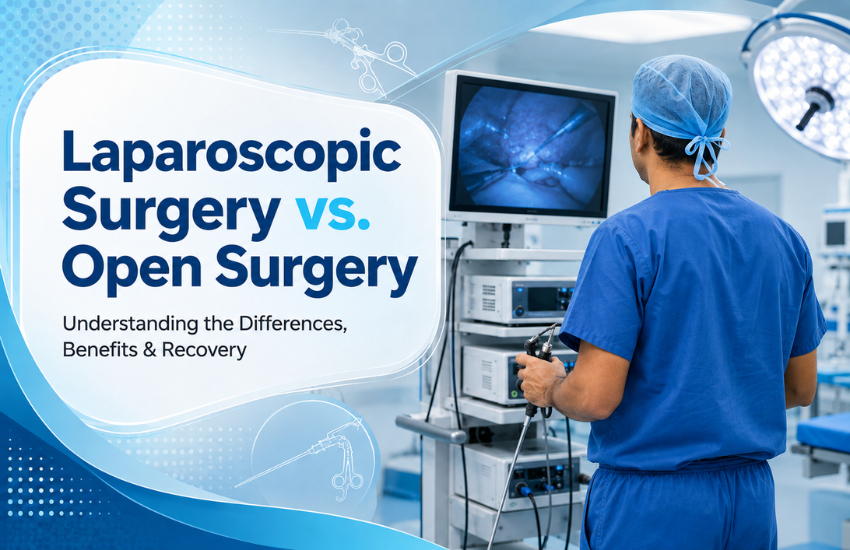
Our general surgeons also collaborate closely with the Laparoscopic Surgery department, offering patients minimally invasive alternatives wherever clinically appropriate for conditions traditionally treated through open surgery. This close working relationship ensures that patients presenting to general surgery are automatically considered for the least invasive effective treatment option available, rather than being limited to a single surgical approach. For conditions where open surgery remains the most appropriate or safest option, our surgeons bring the same level of precision, care, and attention to outcomes that defines every procedure performed at Unity Hospital.
Nutritional and lifestyle counselling is also incorporated into surgical care where relevant, particularly for patients recovering from gastrointestinal procedures or those managing conditions influenced by diet and weight, such as gallstones or certain hernias. Our team provides practical guidance to support long-term health beyond the immediate surgical recovery, recognising that many general surgical conditions benefit from attention to underlying lifestyle factors alongside the surgical treatment itself.
Follow-up care is structured to ensure continuity throughout a patient's recovery journey, with scheduled reviews that allow our surgeons to track healing, address any late complications, and confirm that patients are progressing well before formally closing out their surgical episode of care. For patients who require longer-term monitoring, such as those treated for certain gastrointestinal or thyroid conditions, we establish clear follow-up schedules to ensure ongoing surveillance where clinically indicated.
We understand that facing surgery, whether planned or emergency, can be a source of significant anxiety for patients and their families. Our general surgery team is committed to clear, honest communication at every stage, taking time to explain diagnoses, discuss treatment options, and set realistic expectations regarding recovery, ensuring that patients feel informed and supported rather than anxious and uncertain about their surgical journey. Combined with our hospital's comprehensive diagnostic capabilities, round-the-clock emergency readiness, and coordinated multidisciplinary approach, our Department of General Surgery is equipped to provide safe, effective, and compassionate surgical care for the full range of conditions our patients may face.