- Email: unityhospital24x7@gmail.com
- Badarpur, New Delhi-110044
- Call: +91-9958749840
- Call: 011-69139900
Mon - Sun (24*7)

Laparoscopic Surgeries
Laparoscopic Surgeries
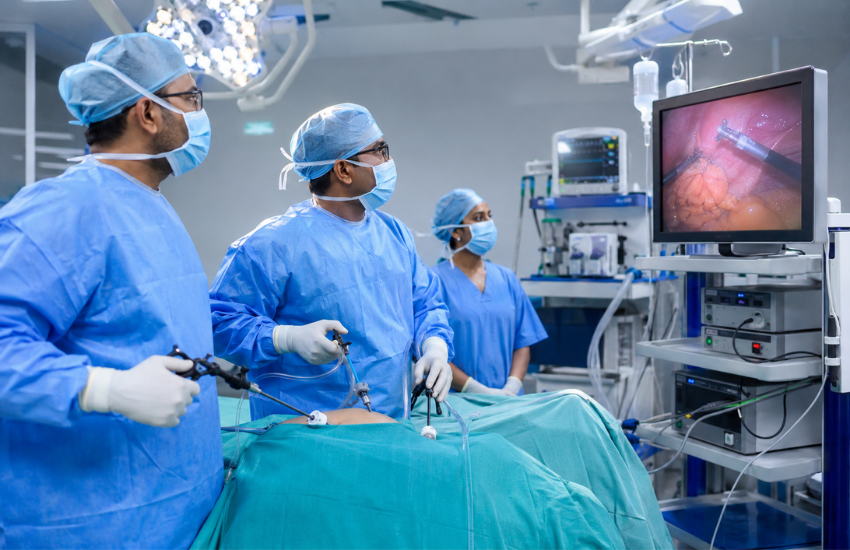
The Laparoscopic Surgery department at Unity Hospital specialises in minimally invasive surgical techniques that allow patients to undergo complex abdominal and pelvic procedures with significantly less pain, smaller scars, and faster recovery compared to traditional open surgery. Using specialised instruments and a high-definition camera inserted through small incisions, our surgeons are able to visualise and operate within the body with exceptional precision, offering patients the clinical benefits of major surgery with the reduced trauma of a minimally invasive approach.
The Laparoscopic Surgery department at Unity Hospital specialises in minimally invasive surgical techniques that allow patients to undergo complex abdominal and pelvic procedures with significantly less pain, smaller scars, and faster recovery compared to traditional open surgery. Using specialised instruments and a high-definition camera inserted through small incisions, our surgeons are able to visualise and operate within the body with exceptional precision, offering patients the clinical benefits of major surgery with the reduced trauma of a minimally invasive approach.
Laparoscopic surgery represents one of the most significant advances in modern surgical practice, and Unity Hospital has invested in advanced laparoscopic equipment and highly trained surgical teams to bring these benefits to a wide range of patients. Rather than the large incisions required in traditional open surgery, laparoscopic procedures are performed through a series of small incisions, typically less than a centimetre each, through which surgical instruments and a camera are inserted. This approach significantly reduces tissue trauma, blood loss, and post-operative pain, while also lowering the risk of wound infections and reducing the visible scarring associated with major surgery.
Our department performs a comprehensive range of laparoscopic procedures across multiple specialities. In general surgery, we offer laparoscopic gallbladder removal (cholecystectomy) for patients suffering from gallstones or gallbladder disease, laparoscopic hernia repair for inguinal, umbilical, and incisional hernias, and laparoscopic appendectomy for patients with appendicitis. These procedures, once requiring extended hospital stays and recovery periods when performed as open surgery, can now often be completed with patients returning home within a day or two and resuming normal activities significantly faster.
In gynaecological surgery, laparoscopic techniques allow our surgeons to treat a wide range of conditions while preserving fertility and minimising trauma to surrounding tissue. This includes laparoscopic removal of ovarian cysts, treatment of endometriosis through precise excision of abnormal tissue, laparoscopic myomectomy for the removal of uterine fibroids while preserving the uterus, and laparoscopic hysterectomy for patients requiring uterine removal due to fibroids, abnormal bleeding, or other gynaecological conditions. The magnified, high-definition view provided by laparoscopic cameras allows our surgeons to work with exceptional precision, particularly valuable in delicate procedures involving reproductive organs.
For patients requiring weight-loss surgery, our laparoscopic bariatric surgery programme offers procedures including gastric sleeve and gastric bypass surgery, performed through minimally invasive techniques that significantly reduce surgical risk and recovery time compared to open bariatric procedures. Given that many patients seeking bariatric surgery already face increased surgical risk due to obesity-related health conditions, the reduced physiological stress of laparoscopic surgery is particularly valuable in this patient population, contributing to safer outcomes and faster post-operative mobilisation.
Our laparoscopic surgical team is also experienced in treating complex upper gastrointestinal conditions, including laparoscopic repair of hiatal hernias and treatment of gastroesophageal reflux disease (GERD) through fundoplication procedures, as well as laparoscopic management of certain gastrointestinal tumours where minimally invasive resection is appropriate. Colorectal conditions, including diverticular disease and certain colorectal cancers, can also be managed through laparoscopic colorectal surgery, offering patients the oncological effectiveness of surgical resection combined with the recovery benefits of a minimally invasive approach.
Diagnostic laparoscopy is another important service offered by our department, allowing surgeons to directly visualise the abdominal or pelvic cavity when the cause of a patient's symptoms, such as unexplained abdominal pain or infertility, cannot be determined through non-invasive testing alone. This approach allows for both accurate diagnosis and, in many cases, immediate treatment of the identified condition within the same procedure, avoiding the need for a separate surgical intervention.
Patient safety remains the top priority throughout every laparoscopic procedure performed at Unity Hospital. Our surgeons undergo extensive specialised training in laparoscopic technique, and our operating theatres are equipped with advanced imaging systems, precision instruments, and comprehensive monitoring equipment to ensure optimal outcomes. While laparoscopic surgery offers significant advantages, our surgical team also maintains full readiness to convert to open surgery if required during a procedure, ensuring that patient safety always takes precedence over maintaining a minimally invasive approach.
The benefits patients experience following laparoscopic surgery extend well beyond the operating theatre. Reduced post-operative pain typically means less reliance on strong pain medication, smaller incisions result in a lower risk of wound infection and hernia formation at the surgical site, and significantly shorter hospital stays allow patients to recover in the comfort of their own homes sooner. Many patients undergoing laparoscopic procedures are able to return to light activities within days and resume full normal activity considerably faster than would be possible following equivalent open surgery, allowing for a quicker return to work, family responsibilities, and daily life.
Pre-operative counselling and preparation form an essential part of our laparoscopic surgery pathway, with our surgeons taking time to thoroughly explain the procedure, expected recovery timeline, and any relevant risks specific to each patient's condition and overall health. Post-operative care includes structured follow-up to monitor healing, manage any discomfort, and address questions that arise during recovery, ensuring that patients feel supported throughout their entire surgical journey, not only during the procedure itself.
Our laparoscopic surgery team also plays an important role in managing patients with more than one coexisting condition, coordinating closely with anaesthesia, cardiology, and general medicine specialists to ensure that patients with diabetes, hypertension, or other chronic conditions are optimally prepared for surgery and safely monitored throughout their procedure and recovery. This multidisciplinary coordination is especially important for older patients or those with higher surgical risk, where careful pre-operative optimisation can make a meaningful difference to overall outcomes.
We recognise that many patients feel apprehensive about undergoing any form of surgery, and our team takes a patient-first approach to communication, ensuring that every question is answered honestly and every concern is addressed before a procedure is scheduled. From the initial consultation through to the day of surgery and beyond, patients are kept fully informed, with realistic expectations set regarding recovery timelines, activity restrictions, and the signs that would warrant a follow-up visit.
Our operating theatres are maintained to the highest standards of sterility and safety, with strict infection control protocols observed throughout every laparoscopic procedure. Combined with continuous advances in surgical instrumentation and technique, this commitment to safety and quality has allowed our department to consistently expand the range of conditions that can be treated through minimally invasive means, bringing the benefits of laparoscopic surgery to an increasing number of patients each year.
At Unity Hospital, our commitment to minimally invasive surgery reflects our broader philosophy of providing the most effective treatment with the least possible burden on our patients. Whether addressing a common condition like gallstones or a more complex gynaecological or bariatric concern, our Laparoscopic Surgery department combines advanced technology, surgical expertise, and genuine patient-centred care to deliver outcomes that support faster healing and a quicker return to the life patients want to live.