
- Email: unityhospital24x7@gmail.com
- Badarpur, New Delhi-110044
- Call: +91-9958749840
- Call: 011-69139900
Mon - Sun (24*7)

Treatment for Epilepsy and Seizures
Treatment for Epilepsy and Seizures
- Unity Hospital
Seizures in children can be distressing and frightening for both parents and caregivers, particularly when they occur for the first time or without an obvious cause. Our paediatric team provides careful, structured evaluation and ongoing management for ch
Seizures in children can be distressing and frightening for both parents and caregivers, particularly when they occur for the first time or without an obvious cause. Our paediatric team provides careful, structured evaluation and ongoing management for children experiencing seizures, with the aim of identifying the underlying cause, reducing seizure frequency and helping children continue their daily activities as safely and normally as possible.
A child's seizure history is an important part of the assessment. Our paediatricians take time to understand what happened before, during and after the episode, including the child's behaviour, movements, awareness, duration of the event and recovery afterwards. Information from parents, caregivers or teachers can be extremely valuable, and when available, a video of an episode may also help the doctor understand the nature of the event. A detailed medical and developmental history, along with a physical and neurological examination, helps guide further evaluation.
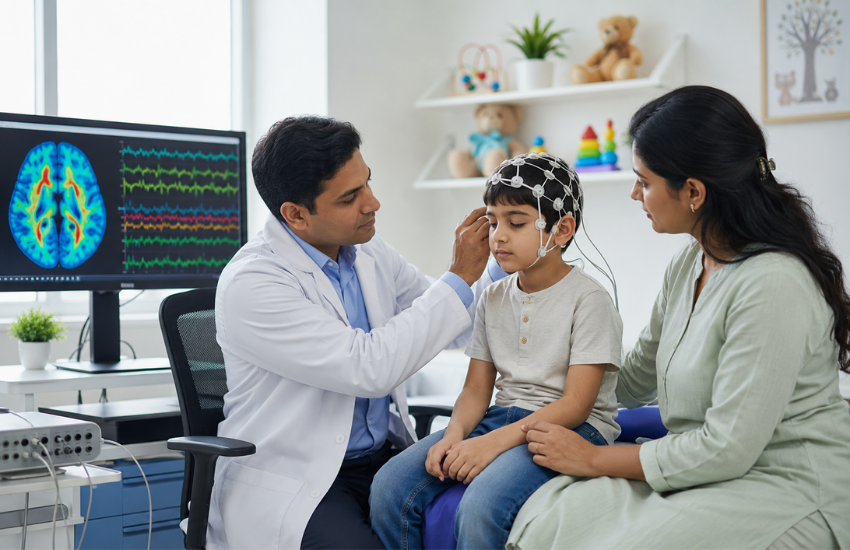
When appropriate, additional investigations may be recommended to understand the type and possible cause of seizures. Depending on the child's symptoms and clinical findings, these may include tests such as an EEG or other neurological investigations. The need for testing and specialist referral is determined individually for each child. A correct diagnosis is important because not every seizure-like episode is epilepsy, and different seizure types may require different approaches to treatment.
For children diagnosed with epilepsy, treatment is personalised according to the child's age, seizure type, medical history and overall health. Many children achieve good seizure control with appropriate anti-seizure medication. Our doctors explain the purpose of treatment, how and when medicines should be given, and why regular dosing is important. Parents are encouraged not to stop or change medication without medical advice, even if the child has remained seizure-free for a period of time.
Children grow rapidly, and medication requirements may change as their weight, age and clinical condition change. Regular follow-up appointments allow our team to assess seizure control, review the child's development and adjust medication when necessary. We also monitor for possible side effects and discuss any changes that parents or caregivers may notice. If seizures continue despite treatment, the child may require further evaluation or referral for specialist neurological care.
An important part of epilepsy management is helping families feel prepared for seizures at home, school and other everyday settings. Parents and caregivers receive practical guidance on what to do during a seizure, how to keep the child safe, and what information should be recorded afterwards. We also encourage families to communicate appropriate seizure-related instructions to teachers, school staff, relatives and other regular caregivers so that everyone understands how to respond calmly and appropriately.
During a seizure, safety is the priority. Caregivers should protect the child from nearby hazards, avoid placing anything in the child's mouth and observe the duration of the episode. Parents can discuss an individual seizure action plan with our paediatric team, particularly if the child has prolonged or recurrent seizures.
We also help families understand situations that require urgent medical attention, such as a seizure that lasts unusually long, repeated seizures without adequate recovery, significant breathing difficulties, serious injury during a seizure or a significant change from the child's usual seizure pattern. Parents should seek immediate medical care when a seizure is prolonged, severe or otherwise concerning rather than waiting for a routine appointment.
Epilepsy care extends beyond seizure control. Our team also considers the child's development, school participation, sleep, emotional wellbeing and overall quality of life. Families are encouraged to discuss concerns about learning, behaviour, medication effects or social activities so that care can be adjusted appropriately.
With accurate diagnosis, appropriate treatment and consistent follow-up, many children with epilepsy can achieve good seizure control and participate fully in school, family life and everyday activities. Our goal is to support both the child and the family with clear communication, personalised treatment and practical safety guidance, helping parents manage epilepsy with greater confidence while ensuring that changes in the child's condition are recognised and addressed promptly.