
- Email: unityhospital24x7@gmail.com
- Badarpur, New Delhi-110044
- Call: +91-9958749840
- Call: 011-69139900
Mon - Sun (24*7)

A Personalised Approach to Skin Health
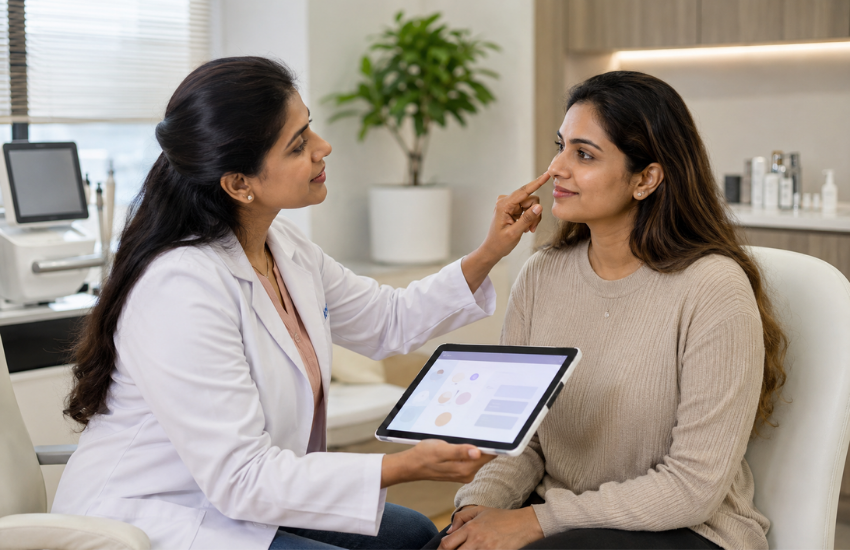
A Personalised Approach to Skin Health
- Unity Hospital
At our Skin & Dermatology Department, we believe that effective dermatological care begins with understanding the individual, not simply treating a visible symptom. Every patient's skin, hair, medical history, lifestyle, concerns and treatment goals are d
At our Skin & Dermatology Department, we believe that effective dermatological care begins with understanding the individual, not simply treating a visible symptom. Every patient's skin, hair, medical history, lifestyle, concerns and treatment goals are different. Even when two people appear to have the same skin condition, the underlying causes, severity and response to treatment may vary considerably.
For this reason, our dermatologists take a personalised approach to every consultation. Before recommending treatment, we take the time to understand the patient's concerns, examine the affected skin or hair carefully, review relevant medical and lifestyle factors, and discuss previous treatments where applicable. This allows us to develop a treatment plan that is appropriate for the individual's needs rather than relying on a one-size-fits-all approach.
Understanding the Person Behind the Skin Concern
Skin and hair concerns can be influenced by many different factors, including genetics, hormones, environment, lifestyle, medications, stress, skincare habits and underlying medical conditions. A treatment that produces excellent results for one patient may not be appropriate for another with similar-looking symptoms.
Our dermatologists therefore look beyond the immediate appearance of the skin. We consider the patient's history, daily routine, treatment expectations and any factors that may be contributing to the condition.
During consultations, patients are encouraged to describe their symptoms openly and explain how the concern affects their daily life. This may include physical discomfort, itching, pain, recurrent flare-ups or concerns about visible changes in appearance.
Clear Diagnosis and Honest Communication
We believe patients should understand their condition and the reason behind any recommended treatment. Our dermatologists explain the diagnosis in clear and understandable terms and discuss the factors that may be contributing to the problem.
Where further testing or evaluation is required, patients are informed about why it may be necessary and what information it can provide. Treatment options are discussed along with their potential benefits, limitations, expected timelines and possible side effects.
Rather than promising unrealistic or immediate results, we believe in setting clear expectations from the beginning. Some skin and hair conditions improve quickly, while others require several weeks or months of consistent treatment and follow-up.
Treatment Based on Individual Needs
There is no universal solution for skin or hair concerns. Treatment may range from prescription creams and oral medications to medicated skincare, procedures, laser treatments, chemical peels, phototherapy or other specialised dermatological therapies.
The choice depends on the patient's diagnosis, severity, skin type, medical history and treatment goals. In some cases, a combination of treatments may provide better results, while in others, a simple and consistent approach may be sufficient.
Our objective is to recommend treatment that is medically appropriate while also considering what is practical and sustainable for the patient.
Care for Acute and Chronic Skin Conditions
Our dermatology services cover both short-term skin problems and conditions that require ongoing management.
Patients may seek care for an acute rash, allergic reaction, infection, sudden hair loss or another problem that has developed recently. Others may require long-term support for chronic conditions such as psoriasis, eczema, acne, recurring pigmentation or persistent scalp disorders.
For chronic conditions, our role extends beyond treating individual flare-ups. We help patients understand their condition, recognise potential triggers, follow maintenance routines and know when treatment needs to be adjusted.
Supporting Cosmetic Skin Concerns
Dermatological care is not limited to medical conditions. Many patients seek professional advice about pigmentation, freckles, acne scars, unwanted skin lesions, signs of ageing, hair loss or other cosmetic concerns.
We approach these concerns with the same emphasis on safety, diagnosis and realistic expectations. Before recommending a cosmetic procedure, our dermatologists assess whether the treatment is appropriate for the patient's skin and explain what level of improvement can reasonably be expected.
The goal is not to change every natural feature of the skin but to help patients achieve improvements that are safe, appropriate and aligned with their individual preferences.
Recognising the Emotional Impact of Skin and Hair Conditions
We understand that skin and hair concerns can affect much more than physical appearance. Visible acne, pigmentation, hair loss, scarring, chronic rashes or other skin conditions may influence how comfortable a person feels in social situations, professional environments or everyday interactions.
Patients may feel self-conscious, frustrated or anxious about a condition that others may not fully understand. Even when a condition is medically mild, its emotional impact can be significant.
Our consultations therefore provide patients with an opportunity to discuss not only their physical symptoms but also the aspects of the condition that matter most to them. We listen to concerns about appearance, discomfort, confidence and daily activities when developing the treatment plan.
Consultations That Are Not Rushed
A meaningful dermatological assessment requires time. Our consultations are designed to give patients an opportunity to explain their concerns, ask questions and understand their treatment options.
Patients are encouraged to discuss:
- How long they have had the condition.
- What symptoms are most troublesome.
- Previous treatments and their results.
- Concerns about appearance or discomfort.
- Lifestyle factors that may affect treatment.
- Their expectations and priorities.
- Any questions about medications or procedures.
- Concerns about recovery time or long-term maintenance.
This open communication helps create a treatment plan that patients understand and are more comfortable following.
Realistic Expectations and Treatment Timelines
One of the most important parts of dermatological care is understanding that improvement often takes time. Skin cells, hair follicles and inflammatory processes respond gradually, and the timeline varies according to the condition and treatment.
For example, some inflammatory skin conditions may require ongoing management, while pigmentation may take several months to improve. Hair treatments may require even longer periods before meaningful changes become visible.
Our dermatologists explain expected timelines during consultation and help patients understand what improvement may look like at different stages of treatment.
Follow-Up and Ongoing Monitoring
Follow-up is an important part of personalised dermatological care. A treatment plan may need to be modified depending on how the skin responds.
During follow-up appointments, our dermatologists can assess progress, review any side effects, determine whether the current treatment is working as expected and make appropriate adjustments.
If a particular approach is not producing the expected results, we do not simply continue it indefinitely. The diagnosis and treatment strategy can be reassessed to determine whether another approach may be more appropriate.
Building Long-Term Skin Health
Our relationship with patients does not have to end when an immediate skin problem improves. Dermatological care can also play a preventive and maintenance role throughout different stages of life.
Patients may benefit from guidance on everyday skincare, sun protection, acne prevention, pigmentation management, scalp health and other measures that support long-term skin and hair health.
Over time, patients can become more familiar with their own skin, understand what triggers flare-ups and recognise when professional assessment may be useful.
Personalised Skincare Guidance
Skincare recommendations are tailored to the patient's skin type and condition rather than based on the assumption that the same products are suitable for everyone.
Depending on individual needs, recommendations may include appropriate cleansers, moisturisers, sunscreens, acne treatments, pigmentation products or other therapeutic skincare.
The emphasis is on creating a routine that is effective, practical and sustainable. Patients are also advised about how to introduce new products and when to avoid potentially irritating ingredients, particularly when the skin is sensitive or undergoing treatment.
Preventive Dermatological Care
Regular attention to skin health can help patients identify changes early and maintain healthier skin over time. Sun protection is particularly important for reducing UV-related skin damage and helping manage pigmentation concerns.
Patients may also benefit from learning how to monitor existing moles or other skin lesions and when a new or changing lesion should be assessed by a dermatologist.
Preventive care is not about unnecessary treatment. It is about understanding the skin, recognising meaningful changes and seeking appropriate professional advice when required.
A Partnership Between Patient and Dermatologist
Successful treatment depends on collaboration. Our dermatologists provide clinical expertise, but patients also play an important role by following treatment recommendations, attending follow-up appointments and communicating openly about their progress.
If a treatment is difficult to follow, causes unexpected problems or does not fit comfortably into the patient's routine, we encourage patients to discuss this rather than abandoning treatment without guidance.
This two-way communication allows the treatment plan to remain practical and responsive to the patient's changing needs.
Adapting Treatment Over Time
Skin changes throughout life. Hormonal changes, ageing, environmental exposure, stress, medications and lifestyle can all influence the condition of the skin and hair.
A treatment that was appropriate several years ago may not necessarily remain the best approach indefinitely. Our dermatologists reassess patients when their symptoms, priorities or circumstances change and modify treatment accordingly.
This flexible approach is particularly valuable for chronic conditions where management may evolve over time.
Our Approach to Patient-Centred Dermatology
At our Skin & Dermatology Department, we aim to combine medical expertise with careful listening, clear communication and personalised treatment planning.
Whether a patient is seeking relief from a chronic skin condition, treatment for an acute problem, help with hair loss or a cosmetic improvement, we begin by understanding what the patient actually needs.
Our approach is built around:
- Accurate assessment and diagnosis.
- Personalised treatment planning.
- Clear explanations and honest communication.
- Realistic expectations regarding results.
- Appropriate medical and cosmetic treatment options.
- Practical skincare and lifestyle guidance.
- Regular follow-up and treatment adjustment.
- Long-term attention to skin and hair health.
Conclusion
Healthy skin and hair are not defined by a single treatment or a particular cosmetic standard. They are supported through accurate diagnosis, appropriate care, healthy habits, realistic expectations and ongoing attention to changing needs.
Our Skin & Dermatology Department is committed to providing care that looks beyond the immediate symptom and considers the person as a whole. We take the time to understand each patient's history, concerns, priorities and goals before recommending treatment.
Whether the need is medical, cosmetic, preventive or long-term, our goal remains the same: to provide effective, evidence-based and honest dermatological care with genuine attention to the individual.
Through personalised treatment plans, clear communication and continued follow-up, we aim to build lasting relationships with our patients. Over time, we want our department to be more than a place patients visit when a skin or hair problem appears. We aim to be a trusted long-term partner in helping patients maintain healthy, comfortable and confident skin and hair through every stage of life.