- Email: unityhospital24x7@gmail.com
- Badarpur, New Delhi-110044
- Call: +91-9958749840
- Call: 011-69139900
Mon - Sun (24*7)

Gallbladder Surgery
Gallbladder Surgery
- Unity Hospital
Gallbladder conditions, particularly gallstones, are among the common reasons patients may require surgical treatment. Gallstones can develop when substances present in bile form solid deposits within the gallbladder. While some people may have gallstones
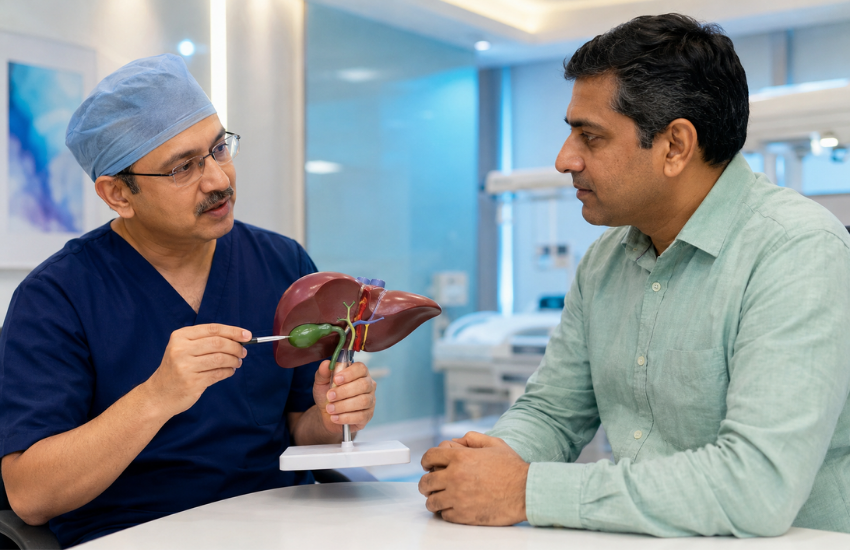
Gallbladder conditions, particularly gallstones, are among the common reasons patients may require surgical treatment. Gallstones can develop when substances present in bile form solid deposits within the gallbladder. While some people may have gallstones without experiencing symptoms, others can develop recurrent pain, inflammation, infection, or complications that may require medical or surgical intervention.
Our surgical team provides comprehensive evaluation and treatment for gallstones and other common gallbladder-related conditions. We focus on accurate diagnosis, appropriate surgical planning, and safe treatment while ensuring that patients and their families understand each stage of the process.
Common Symptoms of Gallbladder Problems
Gallbladder-related symptoms can vary depending on the underlying condition and its severity. Patients with symptomatic gallstones may experience pain in the upper or right side of the abdomen, often after meals and particularly following meals that are high in fat. The pain may sometimes extend toward the back or right shoulder and may be accompanied by nausea or vomiting.
Other symptoms can include bloating, indigestion, abdominal discomfort, or a feeling of fullness after eating. More serious complications may cause persistent or severe abdominal pain, fever, jaundice, or significant vomiting and require prompt medical assessment.
Because these symptoms can overlap with other gastrointestinal conditions, appropriate clinical evaluation is important before deciding on treatment.
Diagnosis and Pre-Operative Assessment
Before recommending surgery, our surgeons perform a detailed clinical assessment and review the patient's symptoms, medical history, and overall health. Appropriate diagnostic investigations are carried out to confirm the presence of gallstones or other gallbladder abnormalities and to assess whether complications are present.
Ultrasound is commonly used to evaluate the gallbladder and identify gallstones, while additional investigations may be recommended when clinically necessary. Blood tests and other imaging or diagnostic procedures may also be considered depending on the patient's symptoms and findings.
This evaluation helps the surgical team understand the condition accurately, identify potential complications, and determine the most appropriate treatment strategy.
Laparoscopic Cholecystectomy
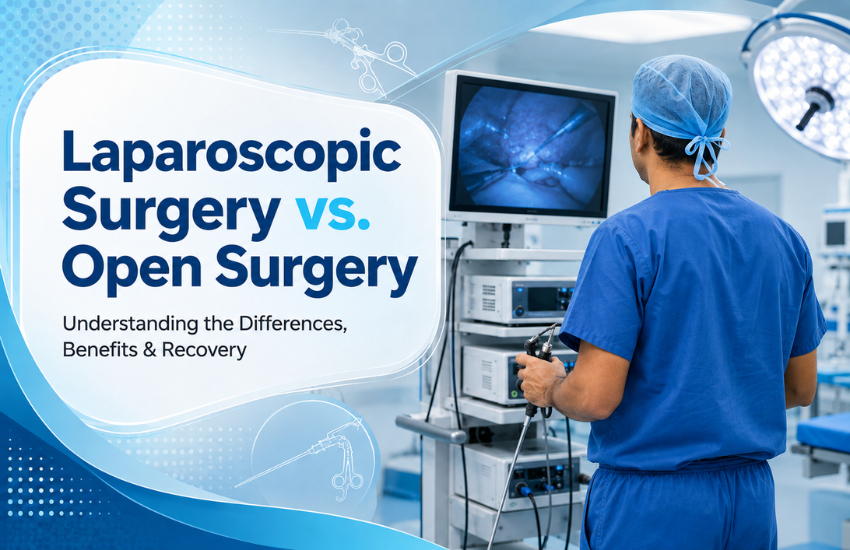
When surgery is indicated, gallbladder removal—known as a cholecystectomy—is commonly performed using a laparoscopic or minimally invasive approach when appropriate. During laparoscopic surgery, the surgeon makes several small incisions through which a camera and specialised surgical instruments are introduced. The gallbladder is carefully separated and removed through one of the small openings.
Compared with traditional open surgery, laparoscopic cholecystectomy may offer benefits such as smaller incisions, less post-operative discomfort, reduced scarring, and a faster return to normal activities for appropriately selected patients. Many patients are able to leave the hospital relatively soon after surgery, depending on their overall condition, the complexity of the procedure, and their recovery.
Although laparoscopic surgery is preferred in many suitable cases, it may not be appropriate for every patient. Severe inflammation, extensive scarring, previous surgery, complications, or other clinical factors may influence the surgical approach. In some situations, conversion to open surgery may be considered if this provides a safer or more effective treatment.
Safe and Individualised Surgical Care
Every gallbladder operation is planned according to the individual patient's condition. Our surgeons consider the severity of symptoms, findings from diagnostic investigations, previous medical or surgical history, and overall health before determining the appropriate approach.
During surgery, particular attention is given to identifying and safely managing the relevant anatomical structures. Our experienced surgical and anaesthesia teams work together throughout the procedure, with appropriate monitoring and established safety measures in place.
If unexpected findings or complications are identified, the surgical team is prepared to adapt the treatment approach when necessary to prioritise patient safety and achieve effective disease management.
Recovery After Gallbladder Surgery
Recovery following laparoscopic gallbladder removal is generally faster than recovery following conventional open surgery for many patients, although individual recovery times vary. Patients may experience some abdominal discomfort, tiredness, or temporary digestive changes during the early recovery period.
Our team provides detailed post-operative instructions covering medication, wound care, diet, physical activity, and follow-up. Patients are generally encouraged to gradually resume normal activities according to their recovery and the surgeon's advice rather than returning immediately to strenuous exercise or heavy lifting.
Dietary guidance may also be provided, particularly during the initial period after surgery. Some patients may find it helpful to temporarily avoid very fatty, greasy, or heavy meals while their digestive system adjusts.
Recognising Warning Signs
Although most patients recover without significant problems, it is important to understand the signs that may require medical attention. Patients are advised to follow the specific instructions provided by their surgical team and seek prompt medical advice if they develop concerning symptoms such as increasing or severe abdominal pain, persistent vomiting, fever, worsening wound redness or discharge, significant swelling, difficulty eating or drinking, or yellowing of the skin or eyes.
Clear communication during recovery helps ensure that potential concerns can be assessed and managed appropriately.
Comprehensive Gallbladder Care
From the initial consultation and diagnostic evaluation through surgery, recovery, and follow-up, our team provides coordinated care designed around the patient's individual needs.