- Email: unityhospital24x7@gmail.com
- Badarpur, New Delhi-110044
- Call: +91-9958749840
- Call: 011-69139900
Mon - Sun (24*7)

Continuity of Care Across Every Life Stage

Continuity of Care Across Every Life Stage
- Unity Hospital
A woman's healthcare needs can change significantly throughout her life. The concerns she experiences as a young woman may be very different from those she encounters while planning a family, during pregnancy, after childbirth, or later in life.
A woman's healthcare needs can change significantly throughout her life. The concerns she experiences as a young woman may be very different from those she encounters while planning a family, during pregnancy, after childbirth, or later in life. At Unity Hospital, our Obs & Gyne Department is structured to provide continuity of care across these changing stages, helping women access consistent medical guidance instead of treating every consultation as an isolated visit.
We believe that knowing a patient's medical and reproductive history can make a meaningful difference to the quality of care she receives. When our doctors understand previous symptoms, treatments, pregnancies, procedures, investigations, and health concerns, they can consider this information when evaluating new problems and making treatment decisions.
Care That Grows With You
A woman may first visit our department for concerns such as irregular periods, painful menstruation, hormonal changes, or general gynaecological care. As her circumstances change, she may return for family planning, pre-conception counselling, fertility-related guidance, or pregnancy care.
Later, she may require postnatal support, contraception counselling, treatment for menstrual or pelvic problems, or care related to perimenopause and menopause. Our aim is to remain a trusted healthcare partner throughout these transitions.
This continuity allows each consultation to build on the understanding developed during previous visits, rather than requiring the patient to repeatedly explain her entire medical history to a new provider.
Adolescence and Early Reproductive Years
Women's health needs often begin with menstrual and hormonal concerns during adolescence and the early reproductive years. Irregular periods, painful cramps, heavy bleeding, or other menstrual changes may require evaluation and appropriate guidance.
Our team provides a supportive environment where young women can discuss these concerns comfortably and receive age-appropriate medical advice. When ongoing care is needed, maintaining a record of previous symptoms and investigations can help doctors recognize patterns and make more informed decisions later.
Family Planning and Pre-Conception Care
When a woman or couple decides to start a family, healthcare priorities naturally change. Our team provides family planning and pre-conception counselling to help couples prepare for pregnancy.
Previous menstrual patterns, medical conditions, medications, reproductive history, and earlier investigations can all be relevant when planning pregnancy. Having access to this background allows our doctors to provide guidance that is more closely aligned with the patient's individual health and future plans.
Pregnancy and Maternity Care
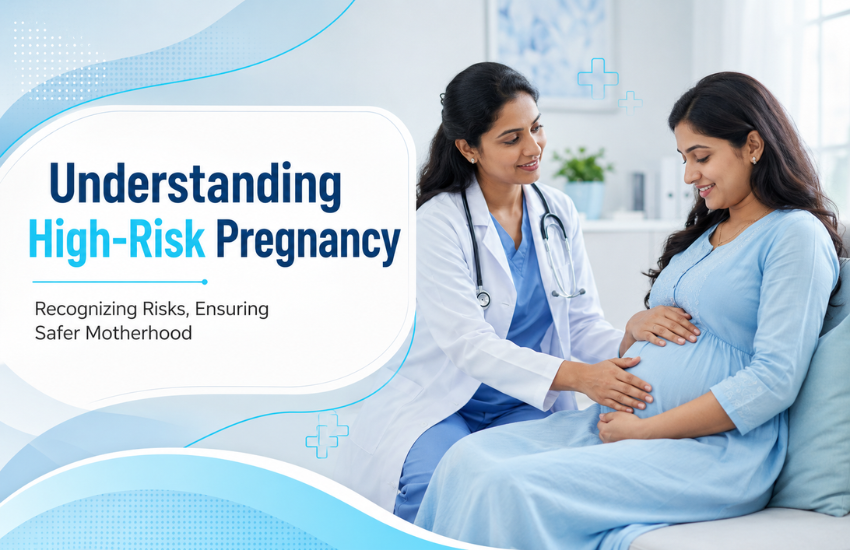
Pregnancy represents another important stage in a woman's healthcare journey. Our obstetric team provides care from early pregnancy through antenatal monitoring, labour preparation, delivery, and postnatal support.
Understanding a mother's previous health and pregnancy history can be valuable when assessing current pregnancy needs. Where relevant, information about previous pregnancies, deliveries, complications, treatments, or procedures can help our doctors identify factors that may require additional monitoring.
Our aim is to make pregnancy care feel connected and coordinated, with mothers receiving consistent guidance as their pregnancy progresses.
Postnatal and Ongoing Gynaecological Care
The period after childbirth brings its own physical and emotional changes. Mothers may need guidance regarding recovery, breastfeeding, contraception, menstrual changes, or other gynaecological concerns.
As women move beyond pregnancy and childbirth, our department continues to provide care for concerns such as menstrual irregularities, pelvic pain, fibroids, uterine prolapse, breast-related symptoms, and other gynaecological conditions. Previous medical information can provide useful context when evaluating new symptoms.
Perimenopause and Menopause
As women approach perimenopause and menopause, hormonal changes can lead to changes in menstrual patterns, hot flashes, sleep, mood, vaginal health, and other aspects of wellbeing. These changes may require individualized assessment and guidance.
A doctor who understands a woman's previous reproductive and gynaecological history can better appreciate how her current symptoms fit into her overall health journey. Our team provides appropriate evaluation, counselling, and treatment options based on the individual circumstances.
More Informed Diagnosis
Continuity of care can provide doctors with a broader picture of a patient's health. Instead of looking at one symptom in isolation, our team can consider previous consultations, investigations, treatments, pregnancy history, and other relevant information.
This broader perspective may help identify recurring patterns, understand how a condition has changed over time, and avoid unnecessary repetition of investigations when previous results remain clinically relevant.
Personalised Treatment Decisions
Treatment should reflect the individual, not just the diagnosis. Two women with similar symptoms may have very different medical histories, reproductive goals, or treatment preferences.
By understanding a patient's background, our doctors can take these factors into account when discussing treatment options. Whether managing menstrual problems, planning pregnancy, treating a gynaecological condition, or addressing menopause-related concerns, we aim to provide personalised recommendations based on the patient's circumstances and goals.
A Relationship Built on Trust
Continuity of care is also about the relationship between a woman and her healthcare team. Over time, patients become more comfortable discussing personal concerns, asking questions, and sharing changes in their health.
This trust can make it easier to seek medical advice early rather than postponing a consultation because of embarrassment, uncertainty, or fear. Our team values open communication and encourages women to discuss concerns honestly so that appropriate care can be provided.
One Department, Many Stages of Life
A woman's healthcare journey may span many years and include changing needs, priorities, and circumstances. At Unity Hospital, our Obs & Gyne Department aims to provide a consistent point of care across these different stages.
A young woman may visit us for menstrual concerns, return years later for pre-conception counselling, continue with antenatal and delivery care, and eventually seek support for menopause or other later-life gynaecological concerns. While the reason for each visit may change, our commitment to understanding and supporting the patient remains constant.
Treating the Person, Not Just the Condition
Our approach is based on the belief that every patient is more than a diagnosis, symptom, or medical report. Her comfort, concerns, preferences, family plans, and overall wellbeing all form part of the healthcare conversation.
By providing care that is connected across different life stages, we aim to make every consultation more meaningful and personalized. At Unity Hospital, we value the long-term relationships we build with our patients and remain committed to being a trusted healthcare partner throughout every stage of a woman's life—from the first menstrual concerns to family planning, pregnancy, childbirth, menopause, and beyond.