
- Email: unityhospital24x7@gmail.com
- Badarpur, New Delhi-110044
- Call: +91-9958749840
- Call: 011-69139900
Mon - Sun (24*7)

Treatment for Uterine Prolapse
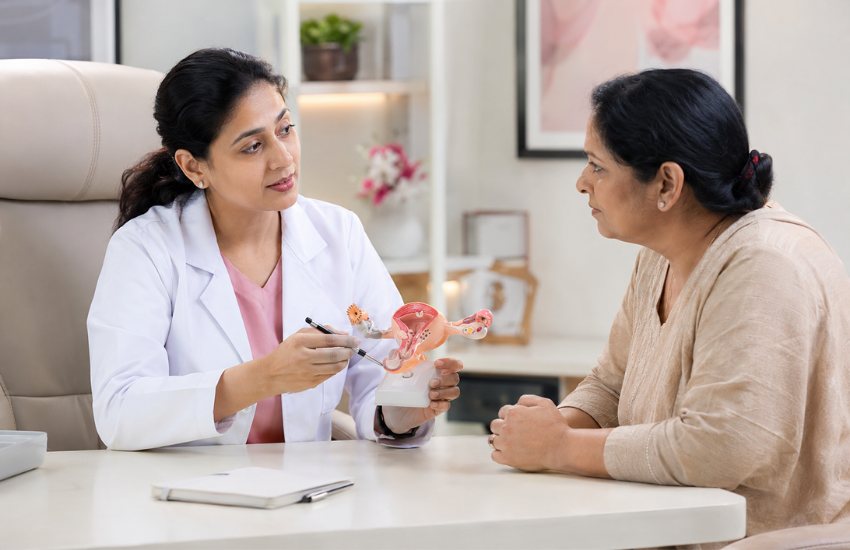
Treatment for Uterine Prolapse
- Unity Hospital
Uterine prolapse is a condition in which the uterus moves downward from its normal position into the vaginal canal because the pelvic floor muscles and supporting tissues have become weakened or stretched. It can occur gradually and may range from a mild
Uterine prolapse is a condition in which the uterus moves downward from its normal position into the vaginal canal because the pelvic floor muscles and supporting tissues have become weakened or stretched. It can occur gradually and may range from a mild change that causes few symptoms to more advanced prolapse that significantly affects comfort and everyday activities.
At Unity Hospital, our gynaecologists evaluate each patient individually to understand the severity of prolapse, the symptoms it is causing, and how it is affecting daily life. Treatment is then selected according to the degree of prolapse, overall health, age, previous childbirth history, and future reproductive preferences. Our aim is to provide effective relief while choosing the least invasive approach that is appropriate for the individual patient.
Understanding Uterine Prolapse
The uterus and other pelvic organs are supported by a combination of muscles, ligaments, and connective tissues. When these supporting structures become weakened, the uterus may gradually descend from its normal position.
Pelvic organ prolapse can develop over time and is often associated with factors such as pregnancy and childbirth, ageing, hormonal changes, repeated strain on the pelvic floor, chronic constipation, or persistent coughing. However, the condition can occur for different reasons, and each patient requires an individual assessment.
Common Symptoms
The symptoms of uterine prolapse depend on how advanced the condition is. Some women may have little or no discomfort, while others experience symptoms that interfere with normal activities.
Common symptoms can include:
- A feeling of heaviness, pressure, or dragging in the pelvis
- A sensation that something is coming down or protruding through the vagina
- Pelvic or lower-back discomfort
- Difficulty standing or walking comfortably for long periods
- Discomfort during sexual activity
- Urinary symptoms, such as difficulty emptying the bladder or increased frequency
- Bowel-related difficulties in some cases
- Symptoms that become more noticeable after prolonged standing or physical activity
Women experiencing persistent pelvic pressure or a sensation of vaginal bulging should seek a medical evaluation rather than assuming that these symptoms are simply a normal consequence of ageing or childbirth.
Diagnosis and Assessment
The first step in treatment is determining the type and degree of prolapse. Our gynaecologists take a detailed medical history and discuss symptoms, childbirth history, previous pelvic procedures, urinary or bowel concerns, and other relevant factors.
A gynaecological examination is generally used to assess the position of the uterus and determine the extent of prolapse. The doctor may also assess the strength and function of the pelvic floor muscles and check for associated prolapse involving other pelvic organs.
Additional investigations may be recommended when required, particularly if urinary, bowel, or other pelvic symptoms need further evaluation.
Pelvic Floor Exercises
For women with mild prolapse or those who wish to begin with a conservative approach, pelvic floor muscle exercises may be recommended. These exercises are designed to strengthen the muscles that support the pelvic organs and can help improve pelvic floor function.
Our doctors can explain appropriate exercises and discuss how they should be performed consistently. Pelvic floor strengthening may be particularly useful when symptoms are mild, although the expected benefit depends on the severity and underlying cause of the prolapse.
Lifestyle and Supportive Measures
In addition to pelvic floor exercises, certain lifestyle measures may help reduce strain on the pelvic floor. Depending on the individual situation, doctors may recommend maintaining a healthy weight, preventing constipation, avoiding unnecessary heavy lifting, and addressing persistent coughing or other conditions that increase pressure within the abdomen.
These measures may not reverse more advanced prolapse on their own, but they can form an important part of overall symptom management and pelvic health.
Vaginal Support Devices
For some women, a vaginal pessary or other supportive device may be an appropriate treatment option. A pessary is designed to provide internal support and help maintain the position of the pelvic organs.
This approach may be useful for women who want to avoid or postpone surgery, those who are not suitable for surgery, or those who prefer a non-surgical management option. Our doctors assess whether a pessary is appropriate and provide guidance regarding its use and follow-up.
Surgical Treatment
When prolapse is advanced, causes significant symptoms, or does not improve adequately with conservative treatment, surgical repair may be considered. The type of surgery depends on the severity and location of the prolapse, the condition of the surrounding pelvic tissues, the patient’s overall health, and her reproductive preferences.
The goal of surgery is to restore appropriate pelvic support and relieve troublesome symptoms. Depending on the individual circumstances, different surgical approaches may be discussed. Our doctors explain the recommended procedure, expected recovery, possible risks, and available alternatives before treatment.
Considering Future Pregnancy
Treatment planning is particularly important for women who may wish to become pregnant in the future. Pregnancy and childbirth can place additional stress on the pelvic support structures, so treatment decisions should take future reproductive plans into consideration.
Our gynaecologists discuss these factors with patients before recommending an intervention, helping them understand how different treatment approaches may relate to their future plans.
Personalised Treatment for Every Woman
There is no single treatment that is appropriate for every case of uterine prolapse. A woman with mild symptoms may benefit from pelvic floor strengthening and observation, while another patient with more advanced prolapse may require a supportive device or surgical repair.
At Unity Hospital, our team considers the severity of prolapse, symptoms, age, general health, previous pregnancies and deliveries, lifestyle, and personal preferences when developing a treatment plan. This patient-centred approach helps ensure that treatment is based on the woman’s individual circumstances rather than simply the diagnosis itself.
When to Seek Medical Advice
Women should consider a gynaecological evaluation if they experience persistent pelvic pressure, a feeling of vaginal bulging, difficulty with urination or bowel movements, or discomfort that interferes with normal activities. Early assessment can help determine the degree of prolapse and identify suitable treatment options before symptoms become more troublesome.
Uterine prolapse is more common than many women realise, particularly after childbirth and with increasing age, but significant discomfort should not be considered something a woman simply has to tolerate.
At Unity Hospital, our goal is to provide compassionate and comprehensive care for uterine prolapse, from accurate assessment and conservative management to surgical treatment when necessary. We help women understand their condition, explore appropriate options, and choose a treatment approach that supports both their comfort and long-term wellbeing.