- Email: unityhospital24x7@gmail.com
- Badarpur, New Delhi-110044
- Call: +91-9958749840
- Call: 011-69139900
Mon - Sun (24*7)

General and Laparoscopic Surgery
General and Laparoscopic Surgery
- Unity Hospital
Our surgical team provides comprehensive general and laparoscopic surgical care, combining extensive clinical expertise, advanced surgical knowledge, and modern minimally invasive techniques to deliver safe, effective, and patient-focused treatment. We un
Our surgical team provides comprehensive general and laparoscopic surgical care, combining extensive clinical expertise, advanced surgical knowledge, and modern minimally invasive techniques to deliver safe, effective, and patient-focused treatment. We understand that every patient is different, and therefore take an individualised approach to diagnosis, surgical planning, treatment, and recovery. Our surgeons are experienced in both traditional open surgery and minimally invasive laparoscopic, or “keyhole,” procedures, enabling them to select the most appropriate surgical technique according to each patient’s condition, medical history, overall health, and specific treatment requirements.
Advanced Laparoscopic Surgical Care
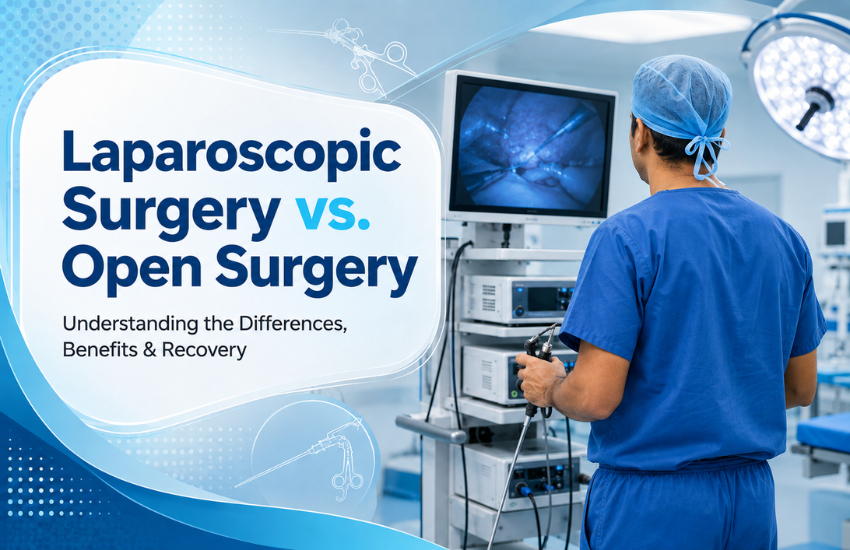
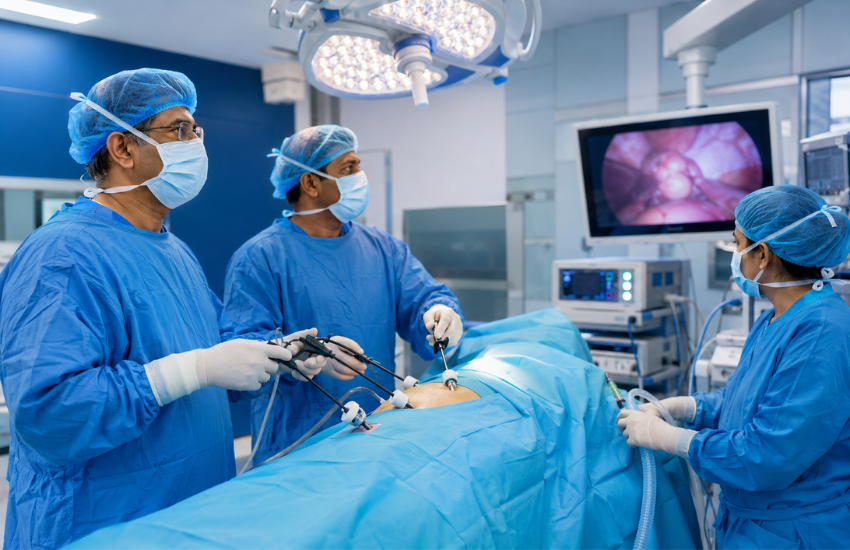
Laparoscopic surgery is a minimally invasive surgical technique performed through a few small incisions rather than one larger incision. A specialised camera, known as a laparoscope, is inserted through one of these small openings to provide a magnified view of the surgical area on a high-definition monitor. Specialised precision instruments are then introduced through the remaining small incisions, allowing the surgeon to perform the required procedure with accuracy and control.
Compared with conventional open surgery, laparoscopic procedures may offer several potential benefits for appropriately selected patients. These can include smaller surgical incisions, reduced post-operative discomfort, less scarring, a lower risk of certain wound-related complications, shorter hospital stays, and a faster return to normal daily activities. In many suitable cases, minimally invasive surgery may also contribute to an earlier recovery, reduced disruption to daily life, and improved overall patient comfort.
Laparoscopic techniques are used for a wide range of surgical conditions and procedures where they are considered clinically appropriate. The exact approach depends on the nature of the condition, the complexity of the operation, and the individual needs of the patient. Our surgical team uses established surgical principles alongside modern technology to ensure that minimally invasive procedures are performed with a strong emphasis on precision, safety, and effective disease management.
Open and Minimally Invasive Surgery
Although laparoscopic surgery offers important advantages in many cases, it is not suitable for every patient or every surgical condition. The choice between laparoscopic and open surgery is carefully considered based on several factors, including the diagnosis, severity and location of the condition, previous abdominal or other relevant surgeries, the patient’s general health, the complexity of the procedure, and whether the surgery is planned or required urgently.
In certain situations, conventional open surgery may provide the safest, most effective, or most appropriate treatment. In other circumstances, a minimally invasive approach may significantly reduce surgical trauma and support a smoother recovery. Our surgeons do not follow a one-size-fits-all approach; instead, they assess each case individually and recommend the technique that offers the most appropriate balance of safety, effectiveness, and expected recovery.
Patient safety remains the foremost consideration throughout the surgical decision-making process. Before recommending a procedure, our team conducts a comprehensive assessment and discusses the available treatment options, expected benefits, potential risks, and anticipated recovery with the patient. This ensures that patients and their families have a clear understanding of the proposed treatment and can make informed decisions about their care.
Comprehensive Surgical Care
Our approach extends beyond the surgical procedure itself. From the initial consultation and diagnostic evaluation through pre-operative preparation, surgery, and post-operative recovery, our multidisciplinary team works closely with each patient at every stage of treatment.
During the pre-operative assessment, relevant medical history, investigations, existing health conditions, medications, and other factors are carefully reviewed to help plan the safest and most effective treatment. Patients are provided with appropriate guidance regarding preparation for surgery, the procedure itself, recovery expectations, and any necessary lifestyle or activity modifications.
Following surgery, our team continues to monitor the patient’s recovery and provides appropriate post-operative care and guidance. We aim to identify and manage any concerns at an early stage while supporting patients as they gradually return to their usual activities. Clear communication and continuity of care remain important components of our surgical service.
Patient-Centred Surgical Approach
We recognise that undergoing surgery can be an important and sometimes stressful experience for patients and their families. Our team therefore places strong emphasis on clear communication, compassionate care, and personalised treatment planning. We take the time to explain the diagnosis, available surgical options, expected outcomes, and recovery process in a clear and understandable manner.
By combining established surgical expertise with modern laparoscopic techniques, advanced equipment, careful planning, and a patient-centred approach, we strive to provide high-quality surgical care tailored to each individual. Whether open or minimally invasive surgery is recommended, our primary goals remain safe treatment, effective management of the underlying condition, minimisation of unnecessary surgical trauma, and the best possible long-term clinical outcome.
Our commitment is to provide comprehensive general and laparoscopic surgical care in an environment where patient safety, surgical precision, clinical excellence, and patient comfort remain at the centre of every stage of treatment.