- Email: unityhospital24x7@gmail.com
- Badarpur, New Delhi-110044
- Call: +91-9958749840
- Call: 011-69139900
Mon - Sun (24*7)

NICU (Neonatal Intensive Care Unit)

NICU (Neonatal Intensive Care Unit)
The Neonatal Intensive Care Unit (NICU) at Unity Hospital provides specialised, expert care for newborns who require additional medical support beyond routine care in the first days and weeks of life. Whether caring for premature infants, babies with low birth weight, or newborns facing medical complications following a difficult delivery, our NICU combines advanced technology with gentle, family-centred care to give every baby the strongest possible start in life.
The Neonatal Intensive Care Unit (NICU) at Unity Hospital provides specialised, expert care for newborns who require additional medical support beyond routine care in the first days and weeks of life. Whether caring for premature infants, babies with low birth weight, or newborns facing medical complications following a difficult delivery, our NICU combines advanced technology with gentle, family-centred care to give every baby the strongest possible start in life.
Premature birth is one of the most common reasons for NICU admission, and our unit is equipped to care for infants across the full spectrum of prematurity, from late preterm babies who need only brief observation and support, to extremely premature infants who require weeks or months of intensive, highly specialised care. Premature infants often face challenges with breathing, feeding, temperature regulation, and immune function due to their organs not being fully developed at birth, and our neonatology team is trained to anticipate and manage these challenges with precision and care.
Our NICU is equipped with advanced respiratory support technology, including conventional and high-frequency ventilators, continuous positive airway pressure (CPAP) systems, and surfactant therapy for infants with underdeveloped lungs, allowing us to support even the most fragile newborns as their respiratory systems mature. Continuous, non-invasive monitoring of heart rate, oxygen saturation, respiratory rate, and temperature ensures that our medical team can detect and respond to any changes in a baby's condition immediately, providing a critical safety net during this vulnerable period.
Beyond prematurity, our NICU cares for newborns with a wide range of medical conditions, including respiratory distress syndrome, neonatal jaundice requiring phototherapy or, in severe cases, exchange transfusion, congenital heart defects requiring stabilisation and coordination with paediatric cardiology, infections such as neonatal sepsis requiring prompt antibiotic treatment, birth asphyxia and related neurological concerns, feeding difficulties and poor weight gain, and congenital anomalies requiring specialised medical or surgical management. Babies born to mothers with diabetes, hypertension, or other pregnancy complications are also closely monitored in our NICU, as these conditions can affect a newborn's blood sugar levels, growth, and overall stability in the days following birth.
Temperature regulation is a particular area of focus for our smallest and most premature patients, who are unable to maintain their body temperature independently. Our NICU is equipped with advanced incubators and radiant warmers that create a controlled, womb-like environment, supporting healthy growth and development while protecting fragile infants from the stress of temperature fluctuation. Careful attention to lighting, noise levels, and handling protocols within the unit further reflects our commitment to minimising stress on developing newborns, an approach grounded in developmental care principles that recognise how a baby's early environment can influence long-term outcomes.
Nutritional support is another cornerstone of our NICU care. Our team works closely with mothers to support and encourage breastfeeding wherever possible, recognising the significant benefits breast milk provides for premature and unwell infants, while also providing specialised feeding support, including nasogastric tube feeding and carefully calculated intravenous nutrition, for babies who are not yet able to feed orally. Our lactation support team assists mothers in establishing and maintaining milk supply, even during periods of separation from their baby, ensuring that breastfeeding goals remain achievable despite the challenges of a NICU stay.
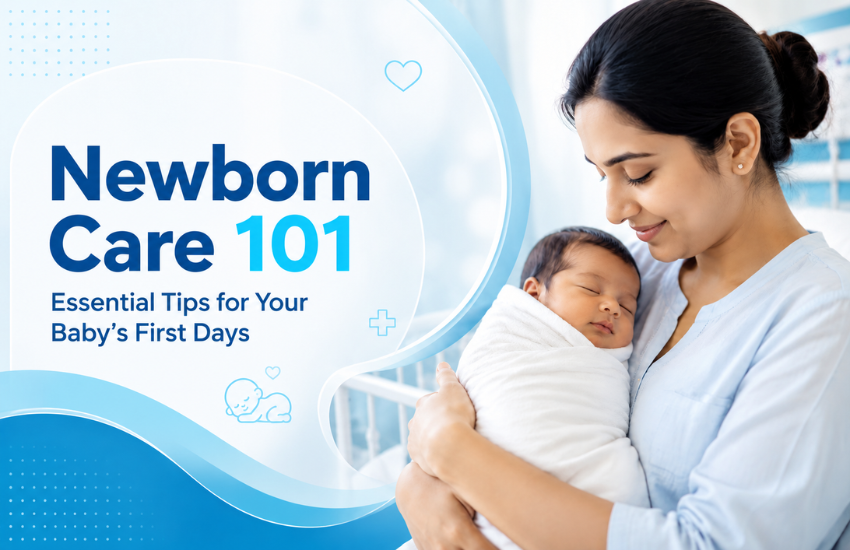
We deeply understand that having a baby in the NICU is an emotionally overwhelming experience for parents, often accompanied by fear, anxiety, and a sense of helplessness during a time that should otherwise be filled with joy. Our unit is designed to involve parents as active participants in their baby's care from day one, encouraging skin-to-skin contact, known as kangaroo care, which has been shown to support a premature infant's stability, growth, and neurological development while strengthening the parent-child bond. Our nursing staff take time to teach parents how to care for their baby within the NICU setting, building confidence that carries through to discharge and beyond.
Our neonatologists and nursing staff provide regular, transparent updates to parents regarding their baby's condition and progress, using clear language and taking time to answer questions thoroughly, no matter how many times they need to be asked. We recognise that trust and open communication between our medical team and parents is essential, particularly during a NICU stay that may extend over several weeks, and we make ourselves consistently available to address concerns as they arise.
Discharge planning from our NICU is a gradual, carefully managed process, ensuring that babies are fully ready to transition home and that parents feel confident and prepared to care for their newborn independently. This includes hearing screening, eye examinations for premature infants, immunisation planning, and detailed guidance on feeding, growth monitoring, and warning signs that would require prompt medical attention. Our team also coordinates structured follow-up care after discharge, particularly for premature infants who benefit from ongoing developmental monitoring in their first years of life.
Our NICU operates in close, seamless coordination with the Obstetrics & Gynaecology department, ensuring that a paediatric and neonatology team is present at every high-risk delivery, ready to provide immediate care the moment a baby is born. This close collaboration between obstetric and neonatal teams is often critical in the first minutes of a complicated delivery, allowing for rapid intervention when a newborn requires resuscitation, respiratory support, or urgent stabilisation, and reflects the integrated, whole-hospital approach that defines maternity and newborn care at Unity Hospital.
Infection prevention within our NICU follows some of the most stringent protocols in the hospital, given how vulnerable premature and unwell newborns are to infection. Strict hand hygiene, controlled visitor policies, careful equipment sterilisation, and vigilant monitoring for early signs of infection all work together to protect our smallest patients during their stay. Our nursing staff are trained specifically in neonatal infection control practices, recognising that even minor lapses can have serious consequences for a fragile newborn's health.
We also provide emotional and practical support for families throughout their NICU journey, recognising that parents often need guidance not only on medical matters but also on how to cope with the stress, uncertainty, and disruption to family life that a NICU stay can bring. Counselling support, peer connection opportunities with other NICU parents, and clear, compassionate communication from our medical team all contribute to helping families feel supported rather than alone during this challenging chapter.
At Unity Hospital, our NICU exists to give the smallest and most vulnerable patients the very best chance at a healthy future, supported by a team that combines advanced neonatal medicine with genuine warmth and compassion for both babies and the families who love them.