- Email: unityhospital24x7@gmail.com
- Badarpur, New Delhi-110044
- Call: +91-9958749840
- Call: 011-69139900
Mon - Sun (24*7)

Assessment of Malnutrition and Child Development
Assessment of Malnutrition and Child Development
- Unity Hospital
Every child grows and develops at their own individual pace, but significant or persistent concerns with weight gain, height, nutrition, physical development, speech or behaviour may indicate an underlying issue that requires timely attention. Early ident
Every child grows and develops at their own individual pace, but significant or persistent concerns with weight gain, height, nutrition, physical development, speech or behaviour may indicate an underlying issue that requires timely attention. Early identification of growth or developmental difficulties can make a meaningful difference, allowing appropriate support and treatment to begin before the problem affects a child's overall health, learning or wellbeing.
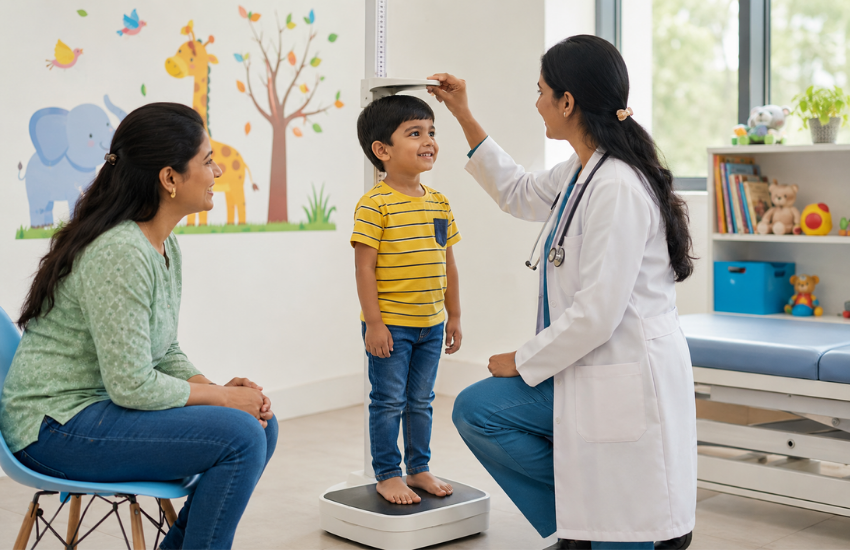
Our paediatricians conduct comprehensive assessments of growth, nutrition and child development at different stages of childhood. Growth is monitored through measurements such as weight, height and, where appropriate, head circumference, with these findings assessed in relation to the child's age and developmental pattern. Rather than looking at a single measurement in isolation, our doctors consider the child's growth over time to identify patterns that may require further evaluation.
Developmental assessment covers important areas including gross and fine motor skills, speech and language, learning, social interaction, emotional development and age-appropriate behaviour. Parents are encouraged to share any concerns they may have about delayed milestones, changes in behaviour, communication difficulties, feeding problems or difficulties with daily activities. Where a developmental delay is suspected, our paediatricians can recommend appropriate investigations, early interventions or specialist assessment when necessary.
Nutritional assessment is an important part of evaluating children who are underweight, failing to gain weight appropriately or showing signs of nutritional deficiency. Our doctors assess dietary intake, feeding practices, appetite, eating habits and the child's overall health. If malnutrition is identified, we look beyond the symptoms to understand the possible underlying cause. This may include inadequate dietary intake, feeding difficulties, poor appetite, problems with digestion or absorption, recurrent infections or an underlying medical condition.
Based on the child's individual nutritional requirements, our team develops a practical and achievable nutrition and feeding plan. Parents receive guidance on age-appropriate foods, meal frequency, portion sizes, healthy snacks, protein-rich foods, fruits and vegetables, and other nutrient-dense choices. For infants and younger children, advice may also include breastfeeding, complementary feeding and the gradual introduction of appropriate foods.
We understand that improving a child's nutrition is not simply about asking them to eat more. Children may have food preferences, feeding difficulties or other challenges that make mealtimes stressful. Our paediatricians work with parents to identify practical solutions that fit the child's age, routine and family circumstances. Where required, follow-up visits help monitor weight gain, height, nutritional progress and overall development.
Early assessment is particularly important when a child shows poor weight gain, significant weight loss, short stature, delayed milestones, speech delay, feeding difficulties, reduced appetite or repeated illness. Identifying these concerns early can help determine whether the child simply needs nutritional and developmental support or whether further medical evaluation is required.
Our approach combines growth monitoring, developmental surveillance, nutritional counselling and medical assessment to provide comprehensive care for each child. The aim is not only to address an existing nutritional or developmental concern but also to help parents understand their child's needs and support healthy growth, learning and development at home.
With regular monitoring and personalised guidance, families can feel more confident about their child's progress. Our team works closely with parents to ensure that concerns are recognised early, appropriate interventions are introduced promptly and every child receives the support needed to achieve their best possible growth and developmental potential.