
- Email: unityhospital24x7@gmail.com
- Badarpur, New Delhi-110044
- Call: +91-9958749840
- Call: 011-69139900
Mon - Sun (24*7)

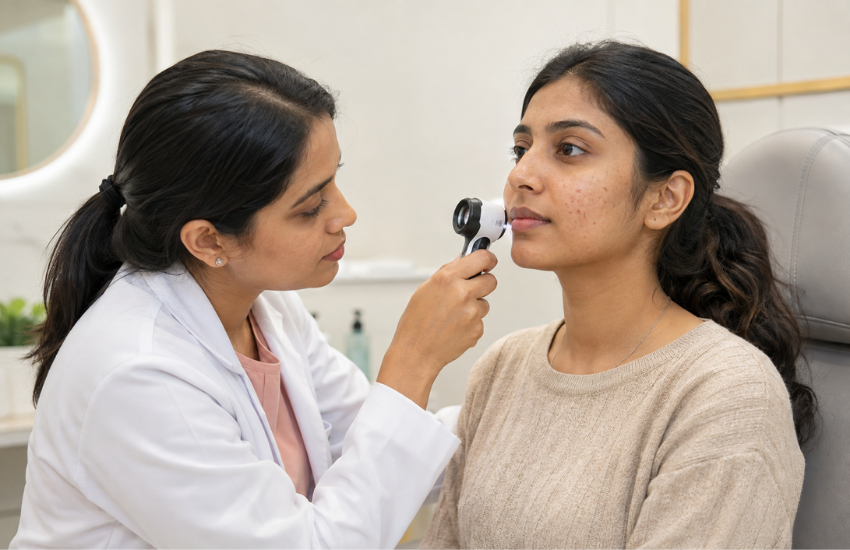
Treatment for Freckles, Pimples, White Patches and Dark Spots
Treatment for Freckles, Pimples, White Patches and Dark Spots
- Unity Hospital
Pigmentation concerns, acne, pimples, freckles, uneven skin tone, dark spots and white patches are among the most common skin conditions for which people seek professional dermatological advice. Although these concerns can sometimes look similar, they may
Pigmentation concerns, acne, pimples, freckles, uneven skin tone, dark spots and white patches are among the most common skin conditions for which people seek professional dermatological advice. Although these concerns can sometimes look similar, they may have very different causes and may require completely different approaches to treatment. For this reason, an accurate dermatological assessment is an important first step before starting any treatment.
Understanding Your Skin Concern
Skin pigmentation can change for a variety of reasons. Dark spots may develop after acne, excessive sun exposure, hormonal changes, skin inflammation, injuries or certain medications. Freckles are often influenced by genetics and ultraviolet (UV) exposure and may become more noticeable after spending time in the sun. Uneven pigmentation can also occur as a result of melasma, post-inflammatory hyperpigmentation or other dermatological conditions.
White patches, on the other hand, represent a reduction or loss of visible pigmentation and can have several possible causes. They may be associated with fungal infections, post-inflammatory changes, certain forms of dermatitis, pigmentary disorders or conditions such as vitiligo. Because different causes require different treatments, white patches should not be treated with pigmentation-lightening products without first establishing the underlying diagnosis.
Acne and pimples can also vary considerably from person to person. Hormonal fluctuations, excess oil production, clogged pores, bacteria, genetics, stress, certain medications and skincare or cosmetic products can all contribute to breakouts. Acne may range from occasional mild pimples and blackheads to inflammatory acne, cysts and nodules that can leave permanent scars if not appropriately managed.
Why Diagnosis Is Important
The appearance of pigmentation or acne alone may not always reveal its exact cause. During a dermatological consultation, our doctors assess the distribution, colour, size and pattern of the affected areas, along with the duration of the problem and any factors that may have triggered or worsened it.
The assessment may also include questions about:
- Previous or current acne and skin inflammation
- Sun exposure and sunscreen habits
- Hormonal changes or relevant medical history
- Current medications and skincare products
- Previous treatments and their results
- Family history of pigmentation or skin disorders
- Changes in the appearance or spread of white patches
- Skin type, sensitivity and tendency to develop pigmentation
This detailed evaluation helps the dermatologist determine whether the concern is primarily related to pigmentation, inflammation, infection, acne, hormonal factors or another skin condition.
Treatment for Freckles and Dark Spots
Freckles and dark spots can often be improved with a combination of professional treatment and appropriate daily skincare. The recommended approach depends on the type of pigmentation, its depth, the patient's skin type and the factors contributing to its development.
Depending on the diagnosis, treatment may include prescription creams or gels, pigment-correcting medications, chemical peels, laser or light-based procedures and other dermatological treatments. In some cases, a combination approach may provide better results than a single treatment.
An important part of managing pigmentation is addressing the factors that cause it to recur. Even when a pigmentation treatment produces good initial improvement, continued UV exposure can contribute to the development or darkening of pigmentation. Consistent broad-spectrum sunscreen use and sensible sun-protection measures are therefore an essential part of long-term management.
Treatment for Pimples and Acne
Acne treatment is designed not only to clear existing pimples but also to prevent new breakouts and minimise the risk of scarring and persistent pigmentation.
Depending on the severity and type of acne, a dermatologist may recommend topical treatments, medicated cleansers, prescription creams or gels, oral medications or professional procedures. Treatment may focus on reducing excess oil, keeping pores clear, controlling inflammation and preventing the formation of new acne lesions.
For patients with acne-prone skin, skincare habits are also important. Using harsh products, frequently scrubbing the skin or repeatedly squeezing pimples may aggravate inflammation and increase the likelihood of post-acne marks and scarring. A simple, consistent skincare routine tailored to the individual's skin type can support medical treatment and improve overall skin health.
Managing Post-Acne Dark Spots
Dark marks that remain after pimples have healed are often a major concern for people with acne-prone skin. These marks can persist for weeks or months and may become more noticeable with continued sun exposure.
Treatment is generally directed at both controlling the acne that is causing new marks and improving the existing pigmentation. Depending on the individual assessment, dermatologists may recommend topical medications, pigment-targeting treatments, chemical peels, laser or light-based procedures, or a combination of approaches.
Preventing new acne lesions is particularly important because repeatedly developing pimples can result in repeated inflammation and additional pigmentation.
Treatment for White Patches
White patches should be evaluated carefully because their causes can vary significantly. A fungal infection, for example, may require an antifungal treatment, while certain inflammatory or pigmentary conditions may require an entirely different approach.
Conditions such as vitiligo may cause clearly defined areas of reduced or absent pigmentation and require specialised assessment and ongoing management. Other white or lighter patches may develop temporarily after inflammation or infection.
Treatment is therefore selected according to the diagnosis rather than simply according to the colour or appearance of the patch. Self-treating unexplained white patches with steroid creams, bleaching products or other medications may sometimes worsen the condition or delay appropriate treatment.
Chemical Peels and Dermatological Procedures
For selected patients, professional procedures can be incorporated into the treatment plan. Chemical peels may help improve certain forms of superficial pigmentation, uneven skin tone and acne under appropriate medical supervision.
Laser and light-based treatments may also be considered for specific pigmentation concerns or other suitable skin conditions. However, these treatments are not appropriate for everyone, and the choice of procedure depends on the diagnosis, skin type, pigmentation pattern and risk of treatment-related side effects.
Patients with darker skin tones require particularly careful treatment planning because some procedures can potentially cause temporary or persistent changes in pigmentation if performed inappropriately. A dermatologist can determine whether a procedure is suitable and select the safest approach.
Skincare and Sun Protection
A suitable daily skincare routine can play an important role in maintaining treatment results. Depending on the individual's needs, the routine may include a gentle cleanser, moisturiser, sunscreen and prescribed treatment products.
Sun protection is especially important for people concerned about freckles, dark spots, melasma or post-acne pigmentation. UV exposure can worsen existing pigmentation and contribute to the development of additional dark spots.
Patients may be advised to:
- Use a suitable broad-spectrum sunscreen regularly.
- Reapply sunscreen as recommended, particularly during prolonged outdoor exposure.
- Limit unnecessary direct sun exposure.
- Use hats, clothing or shade as additional protective measures.
- Avoid picking, squeezing or repeatedly touching acne lesions.
- Use skincare products appropriate for their skin type.
- Follow prescribed treatments consistently rather than frequently changing products.
Personalised Treatment Plans
There is no single treatment that works equally well for every patient. Two people with similar-looking dark spots may have different underlying causes, just as two people with acne may require completely different treatment plans.
Our dermatologists consider the individual's diagnosis, skin type, severity of the condition, previous treatment history, lifestyle and treatment goals before recommending an approach. Treatment may involve one therapy or a combination of medical skincare and in-clinic procedures.
The plan may also be adjusted over time depending on how the skin responds. Regular follow-up allows the dermatologist to monitor progress, manage side effects and make changes when necessary.
What to Expect From Treatment
Pigmentation and acne generally develop over time, and improvement may also take time. The speed and extent of improvement depend on the underlying condition, its severity, skin type, treatment selected and individual response.
The goal is not simply to provide a short-term cosmetic improvement but to manage the underlying factors wherever possible and establish a sustainable approach to skin health. Patients should follow treatment instructions carefully and avoid adding multiple unprescribed products without discussing them with their dermatologist.
It is also important to understand that some conditions, particularly chronic pigmentation disorders, may require ongoing maintenance to reduce recurrence.
When Should You See a Dermatologist?
Professional evaluation is recommended if pigmentation is persistent, rapidly changing, spreading, associated with itching or inflammation, or not improving with basic skincare. White patches should be assessed before treatment because their causes can be difficult to distinguish without an examination.
A dermatologist should also be consulted when acne is persistent, painful, widespread, leaving scars or affecting confidence and quality of life. Early treatment can help control acne and reduce the likelihood of long-term scarring and pigmentation.
A Comprehensive Approach to Healthier Skin
Freckles, pimples, white patches and dark spots may appear to be purely cosmetic concerns, but they can sometimes indicate an underlying skin condition that requires medical treatment. Accurate diagnosis is therefore the foundation of effective care.
With appropriate dermatological assessment, personalised treatment, consistent skincare and effective sun protection, many pigmentation and acne-related concerns can be managed successfully. Our goal is to identify the underlying cause, select an appropriate treatment strategy, improve the appearance and health of the skin, and provide practical guidance for maintaining results over the long term.